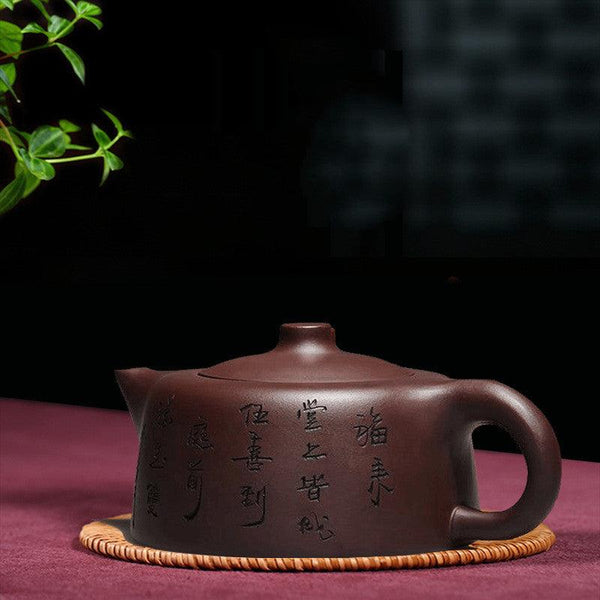
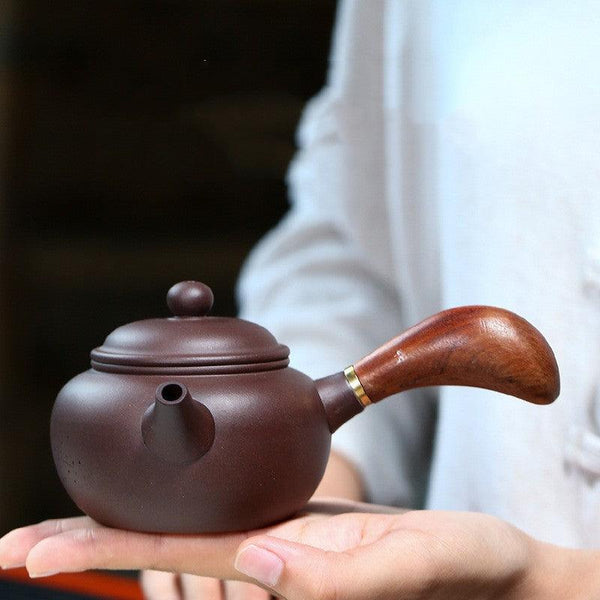
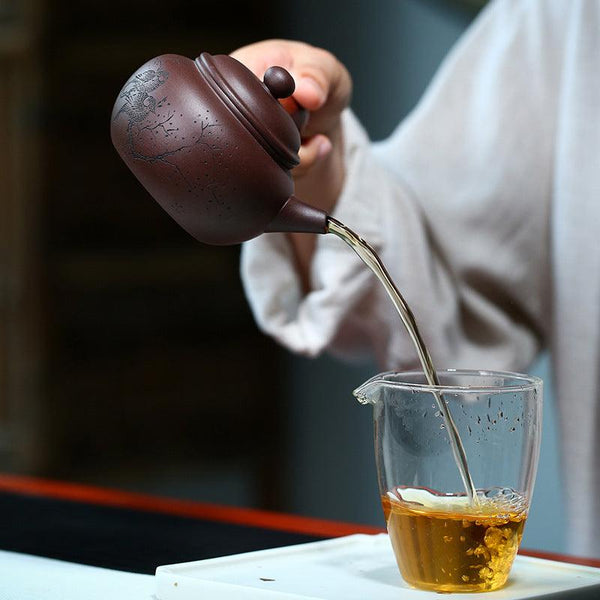
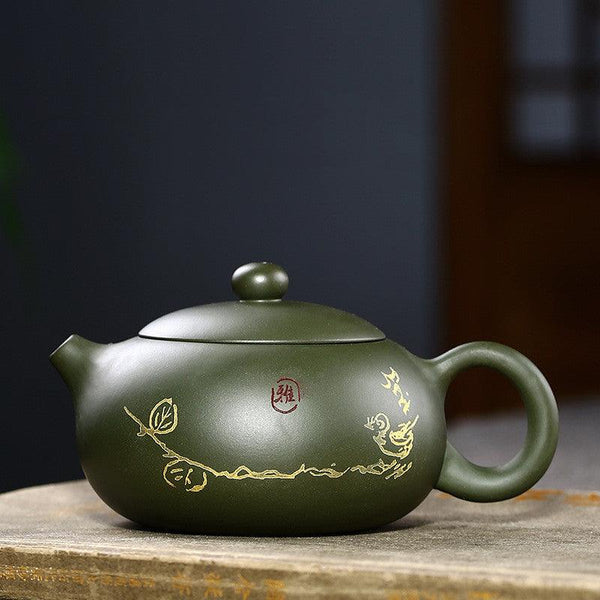
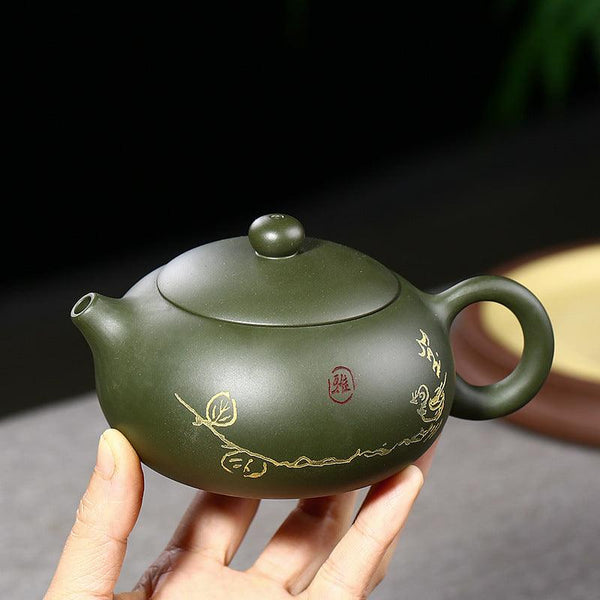
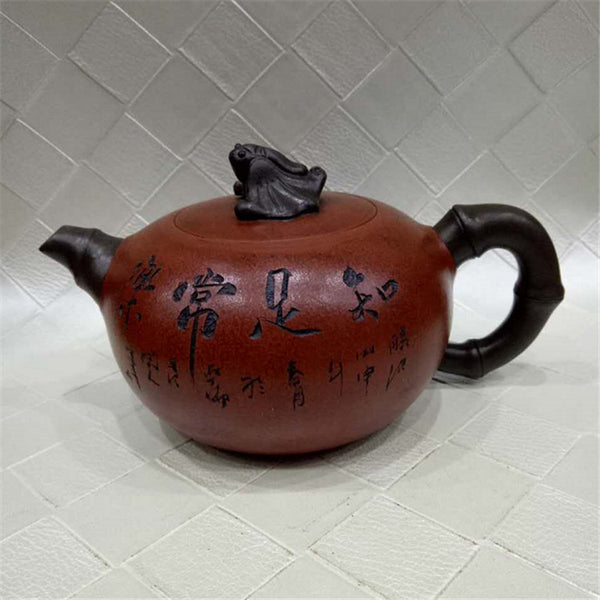
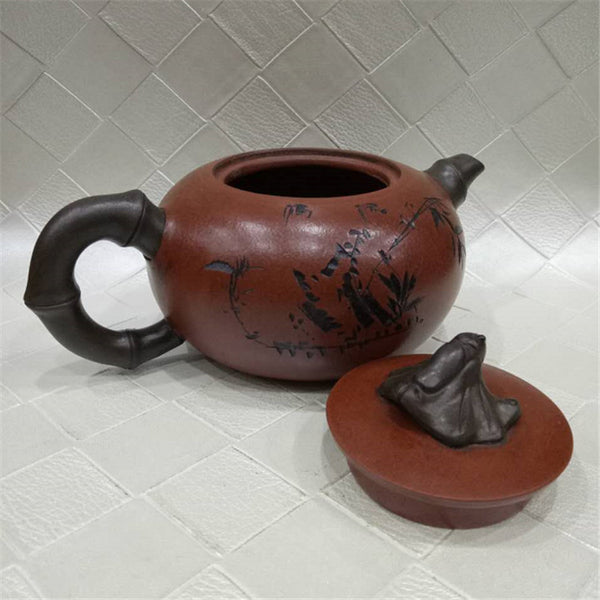
In the world of Yixing teapots, "Aged Clay" (known in Chinese as Chen Fu) is a term that carries immense weight. You will often see vendors claiming their teapots are made from "30-year-old clay" or even "pre-1980s factory stockpiles." These labels usually come with a steep price tag.
But as a collector, you must ask: Is the clay truly 30 years old? And more importantly, does longer aging actually make a teapot better? Let’s dive into the science and the reality behind the "aged clay" myth.
What is the "Aging" (Chen Fu) Process?
To understand the myth, we must first understand the process. When raw Zisha ore—the "Rock Within Rock" we discussed previously—is mined, it is crushed into powder and mixed with water to form clay blocks. These blocks are then stored in a dark, humid environment, such as a cellar. This is the aging process.
During this time, two critical changes occur:
-
Organic Decomposition: Microorganisms break down organic matter, producing organic acids that increase the clay's "plasticity" (stickiness). This makes the clay much easier for a master potter to shape by hand.
-
Internal Oxidation: Minerals like iron and manganese continue to oxidize slowly, stabilizing the chemical structure. Once fired, this results in a more "mellow" and mature color, often referred to as "Lao Qi" (old spirit).
Aging is a vital step in producing authentic, high-quality Zisha.
A Reality Check: The 30-Year Timeline
While aging is beneficial, the "30-year" claim is often logically inconsistent in today's market for several reasons:
The Logistics of Storage
Storing tons of clay for 30 years requires massive warehouse space, climate control, and significant tied-up capital. In the 1990s, most Yixing workshops were small and lived hand-to-mouth. Very few had the resources to let "dead stock" sit for three decades.
Diminishing Returns
Most Zisha experts agree that the benefits of aging peak between 3 and 10 years. After a decade, the clay reaches its maximum plasticity. If left for 30 years without constant maintenance (re-moistening and re-kneading), the clay can lose its vitality, dry out, or even develop a musty odor that ruins the tea.
When a vendor says "30-year-old clay," they are often referring to "Old Mine" (Lao Ni) material—meaning the mineral was mined long ago—rather than clay that has been sitting in a wet state for 30 years.
How to Identify Genuine Aged Clay
Since you cannot rely on labels alone, how can you judge if the clay is well-aged? True aged Zisha has distinct sensory characteristics:
-
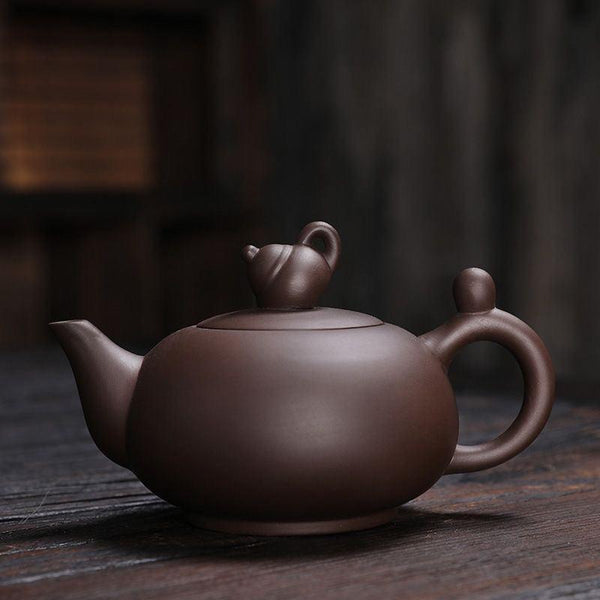
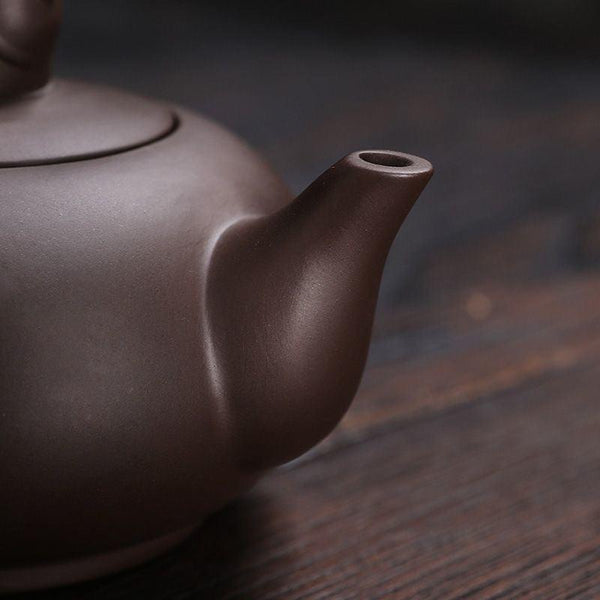
The Luster (Inner Glow): New clay often has a "harsh" or "shiny" look right out of the kiln (known as Zei Guang). Well-aged clay has an "introverted" luster—it is soft, warm, and matte, resembling a piece of polished jade.
-
The Patina Speed: Zisha is loved for how it changes with use. Aged clay has a more stable double-porosity structure, allowing it to absorb tea oils more evenly. This means it will develop a deep, beautiful patina much faster and more uniformly than "young" clay.
- Scent Purity: If you pour boiling water into an empty, well-aged teapot, it should smell like clean, damp earth. If you smell something metallic, burnt, or chemical, it is a sign of artificial additives.
Trap of "Fake" Aged Clay
Because everyone wants "old" clay, some unscrupulous workshops add chemical oxides to darken the clay and mimic the look of aged Zisha. These "chemical teapots" can be dangerous, as these additives may leach into your tea at high temperatures. Genuine value comes from the purity of the mineral, not the age on the label.
Conclusion
Don't be seduced by the "30-year" marketing hype. While high-quality clay defines the upper limit of a teapot's value, the true joy of Zisha lies in the seasoning process (Yanghu).
A teapot made from premium, 3-year-aged "Old Mine" ore will always outperform a mediocre clay that has been sitting in a basement for 50 years. With proper care and daily use, a well-selected 3-year-old teapot will eventually become a masterpiece in its own right.