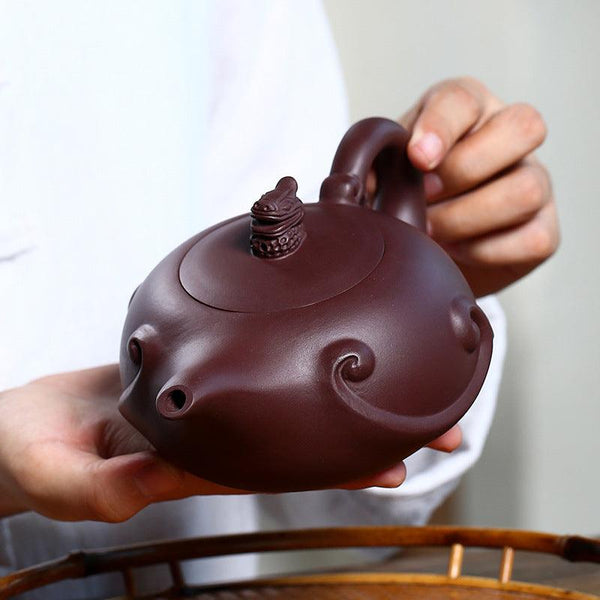
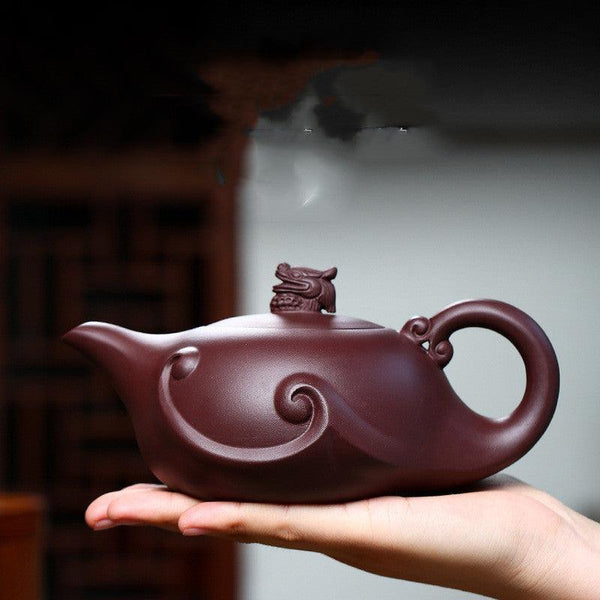
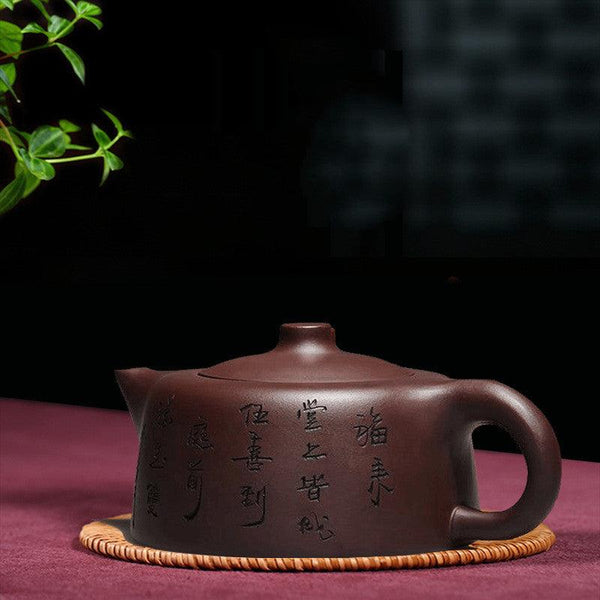
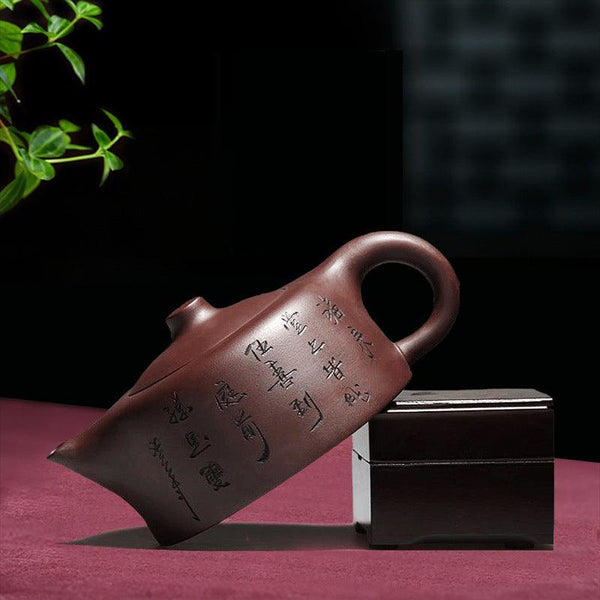
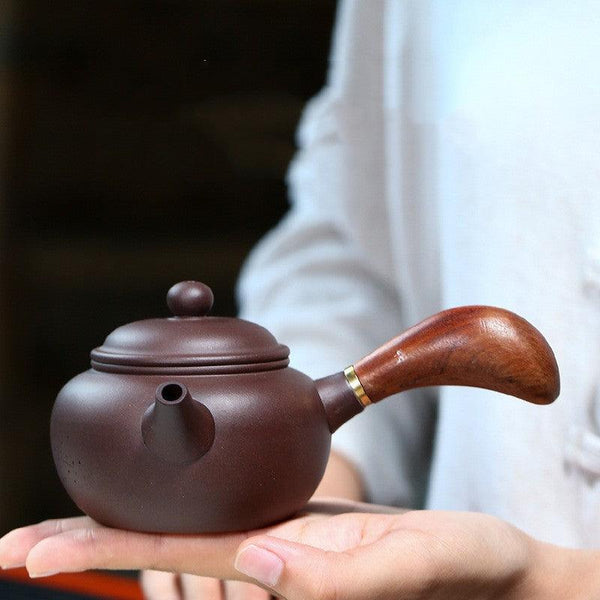
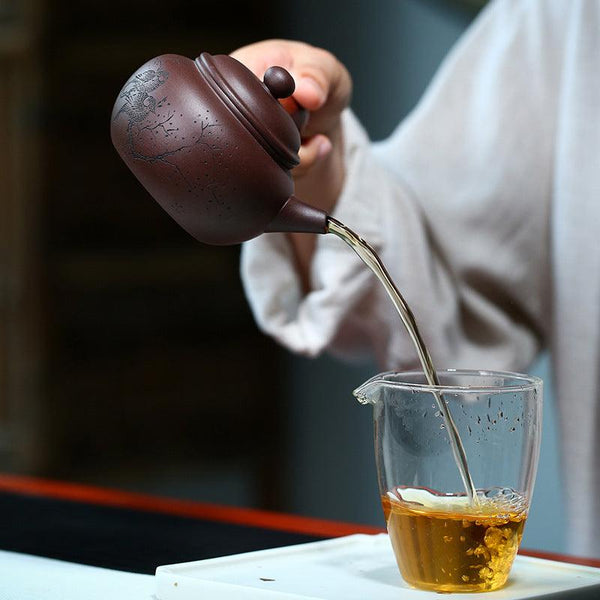
The Yixing clay teapot is more than just a practical brewing vessel; it is the ultimate expression of traditional Chinese aesthetics and scholarly spirit. When discussing the appreciation and collection of Yixing Zisha, the most fascinating aspect is its infinitely variable and deeply meaningful aesthetic shapes. This article will take you on a deep dive into the four classic forms of Yixing teapots and explore the philosophy of pairing different teapot shapes with specific teas.

Discovering the Beauty of Zisha: An In-Depth Look at Four Classic Shapes
Over centuries of development, Yixing teapots have evolved into hundreds and thousands of different styles2. Yet, no matter how they change, they can generally be categorized into the following four classic aesthetic groups:
1. Round Shapes :
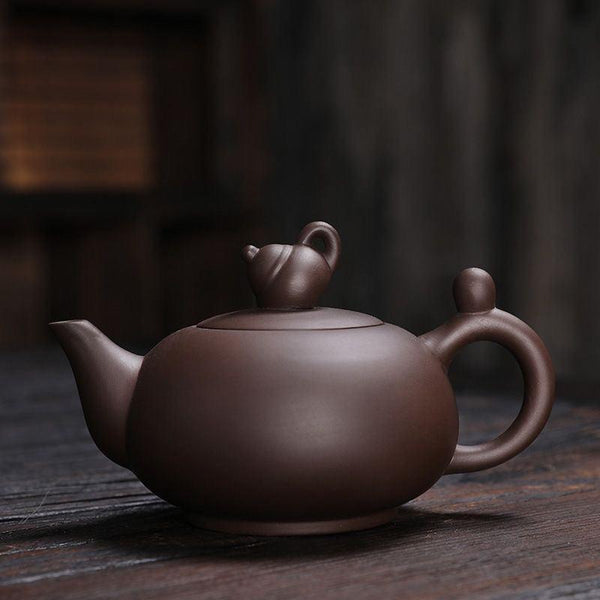
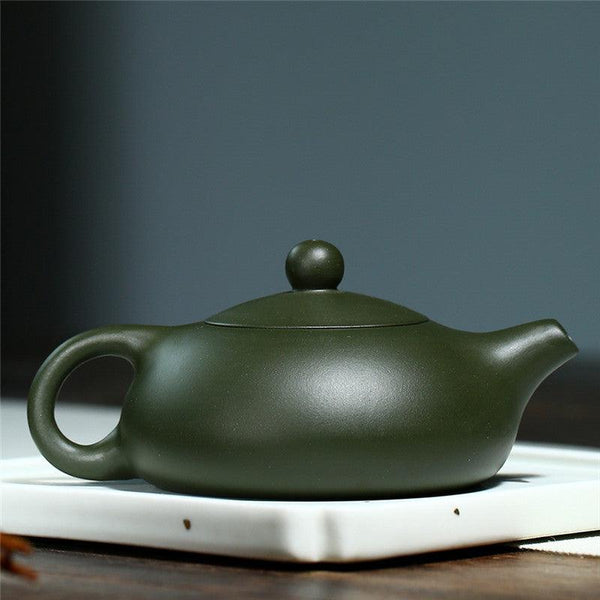
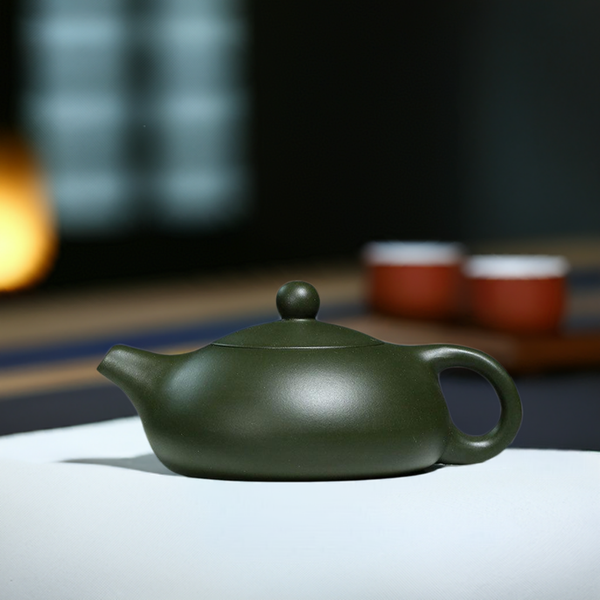
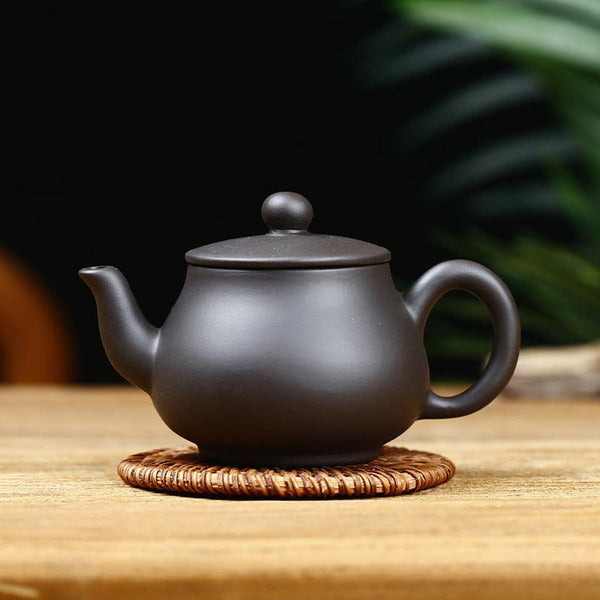
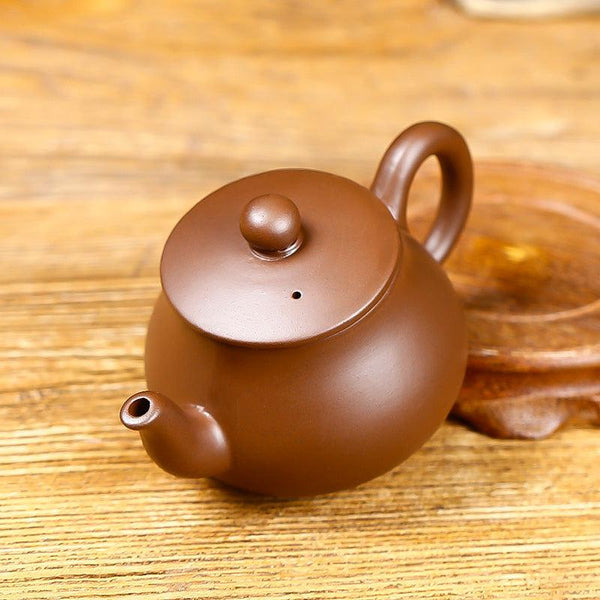
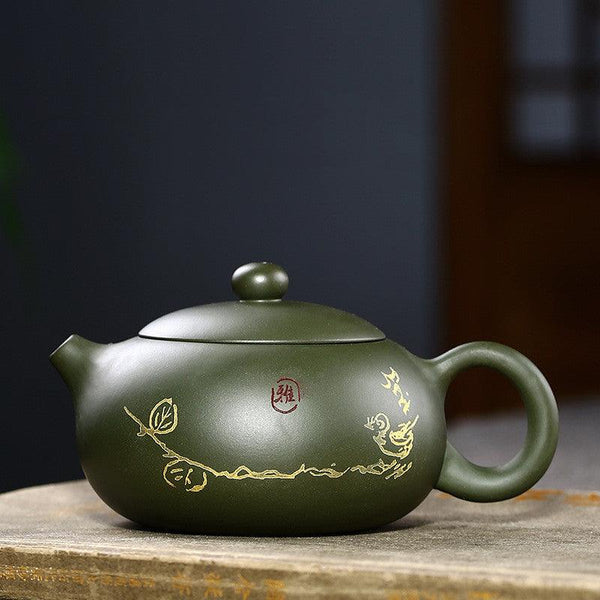
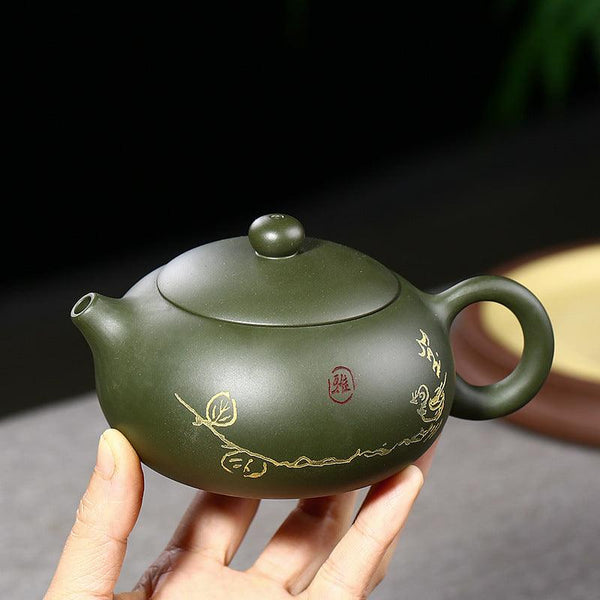
The round shape is the most classic and widely beloved style of Yixing teapots. Traditional Chinese culture emphasizes "a round heaven and a square earth," along with harmony and mellowness; the round vessel is a direct embodiment of this philosophical thought. Characterized by smooth, continuous lines and harmonious proportions, the full and moist teapot body perfectly showcases the natural texture and warm color of the Zisha clay.
Iconic Styles: The highly sought-after "Xi Shi," famous for its plump, beauty-like curves; the steady "Shi Piao," which boasts strong geometric tension; as well as classics like "Shui Ping," "Fang Gu," and "Duo Qiu"3. These shapes appear simple but heavily test a craftsman’s mastery of line tension and overall balance.
2. Square Shapes :
Square shapes, as the name suggests, feature straight lines and distinct angles, but a masterful Zisha square teapot emphasizes "the square within the round". Crafting square teapots is incredibly difficult, demanding upright lines, clear contours, and precise proportions. Meanwhile, it must ensure that the transitions between the teapot's different facets are natural and smooth, never rigid or lifeless.
Iconic Styles: The dignified and grand "Si Fang," "Liu Fang," and "Ba Fang", along with the "Seng Mao" and "Chuan Lu," which carry rich religious and historical significance. Square shapes deliver a visual impact of uprightness and commanding presence.
3.Special Shapes :
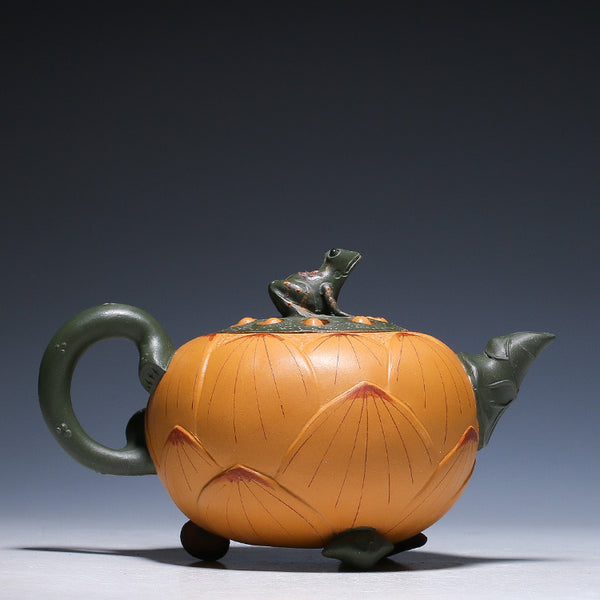
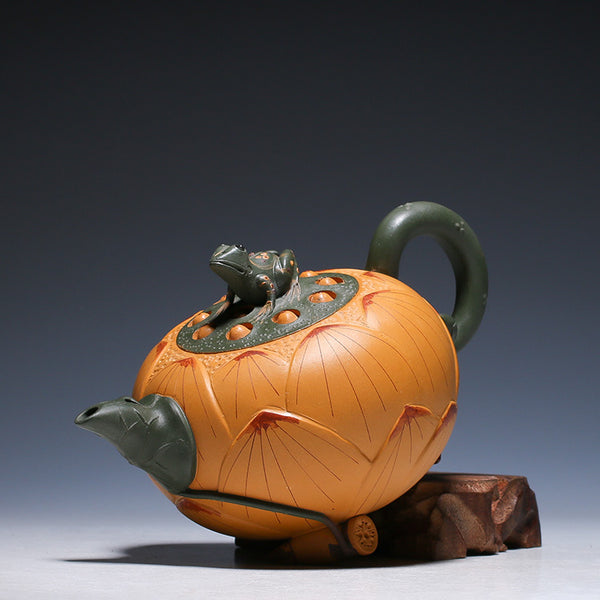
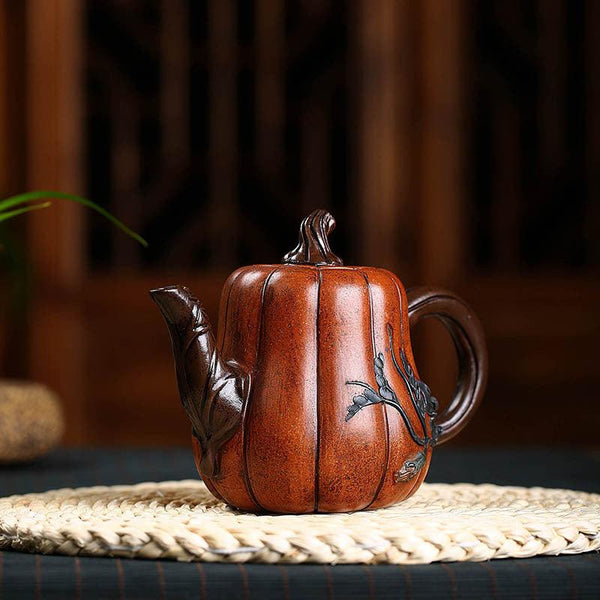
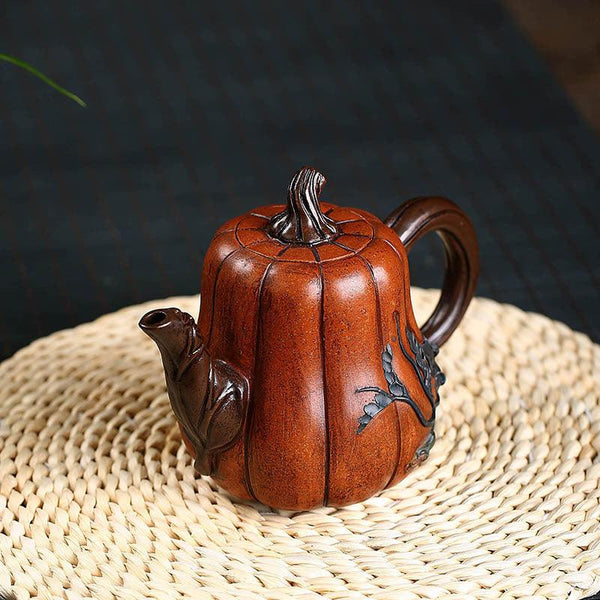
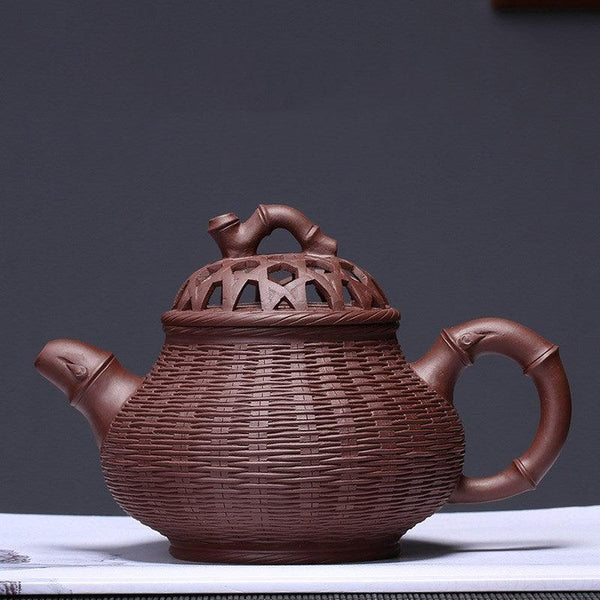
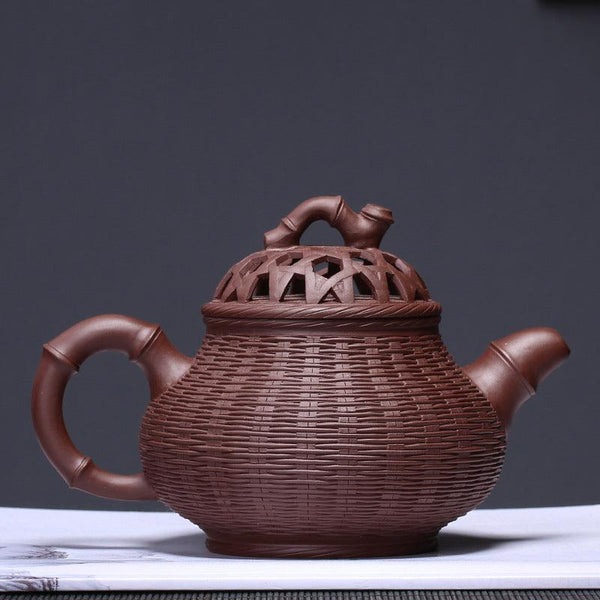
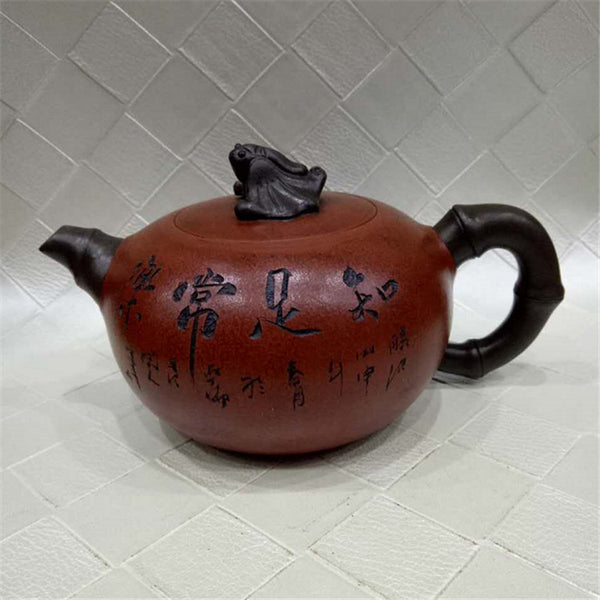
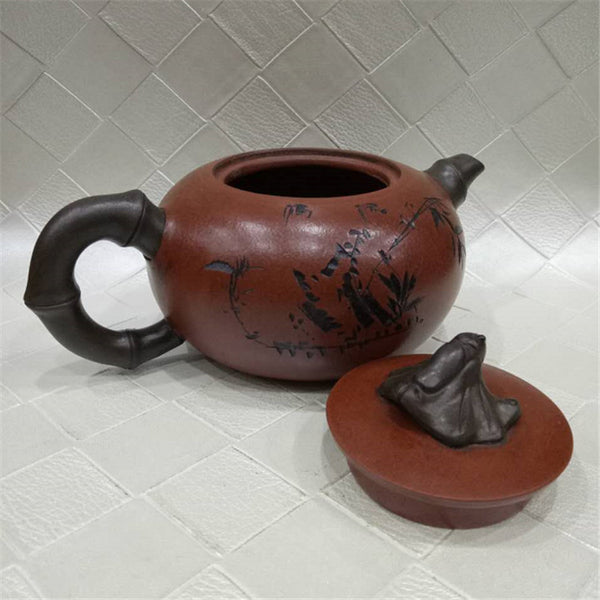
Special shapes, often called "sculptural vessels," represent the most artistically expressive category of Yixing teapots. They draw direct inspiration from flora and fauna in the natural world (such as flowers, fruits, trees, birds, and animals), cleverly transforming them through Zisha craftsmanship. Their creative principle is "derived from nature yet surpassing nature"—requiring a moderate degree of artistic exaggeration while maintaining a vivid and elegant charm.
Iconic Styles: The lively and playful "Squirrel Grapes"; the rustic and bountiful "Pumpkin"; the auspicious "Fo Shou" (Buddha's Hand) and "Shou Tao" (Peach of Longevity); as well as the famous "Gong Chun" and "Zhu Duan" (Bamboo Section). Special shapes showcase the artisan’s meticulous capture of vitality and ultimate carving skills.
4. Ribbed Shapes :
Ribbed shapes extract regular patterns from the ridges of melons, the petals of flowers, or the ripples of flowing water, processing them into extraordinarily precise forms. The demand for craftsmanship accuracy in ribbed vessels is incredibly strict. The ribbed lines on the body, lid, and even the base must be seamlessly connected and uniformly arranged. Most breathtakingly, on a top-tier ribbed teapot, the lid can be rotated in any direction and still fit perfectly with the body's patterns.
Iconic Styles: The elegant "Ling Hua" and "Ju Lei" (Chrysanthemum Bud); the highly dynamic "Kui Fang Gu" and "Jin Wen Shi Piao". Ribbed shapes display ultimate symmetrical beauty and a strong sense of rhythmic flow.
The Perfect Pairing of Teapot Shapes and Teas: A Blend of Tasting and Science
Choosing the right teapot shape not only brings visual enjoyment but also substantially elevates the taste of your tea. Based on the physical space of the vessel, the mineral composition of the clay, and its complex internal pore structure, different teapot shapes and clays are naturally suited for specific types of tea:
1. Tall Round Shapes (e.g., Duo Qiu, Xi Shi, Fang Gu) + Oolong Tea
Pairing Analysis: Round shapes typically offer a larger internal expansion space. When brewing semi-fermented Oolong teas like Tieguanyin or Da Hong Pao, the tea leaves need ample room to unfurl in hot water. The round belly allows the leaves to roll freely and release their aroma.
Clay Recommendation: Premium Zhuni is highly recommended. With a relatively high density, Zhuni provides excellent heat retention, perfectly drawing out the high-pitched aromas of Oolong. Scientific studies show that this material environment more effectively extracts beneficial chemical compounds and tea polyphenols (like catechins) while reducing the leaching rate of bitter caffeine, resulting in a much mellower brew8more_horiz.
2. Square or Flat-Round Shapes (e.g., Xu Bian, Si Fang) + Black Tea or Ripe Pu-erh
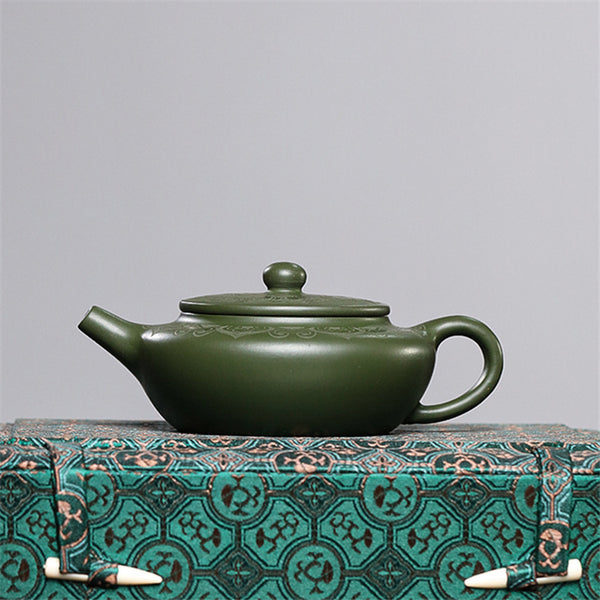
Pairing Analysis: Black tea and ripe Pu-erh are fully or post-fermented teas that don't require massive expansion space inside the pot. The upright walls and relatively wide base of square shapes, or flat-round vessels, allow the water temperature to quickly and evenly penetrate every single leaf.
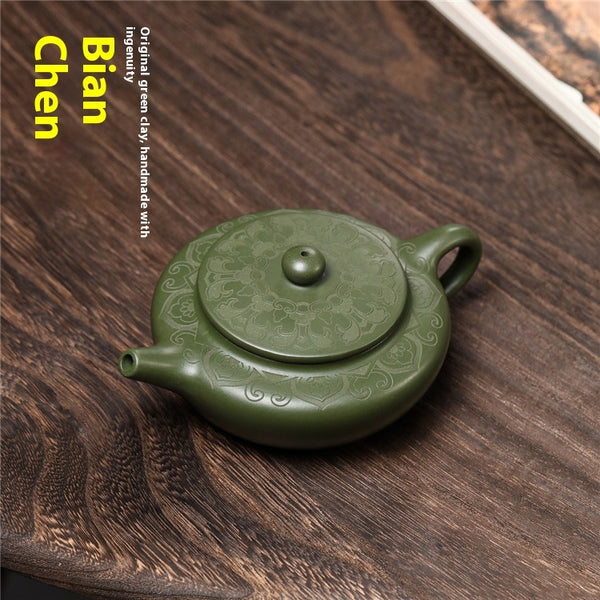
Clay Recommendation: Zisha with high breathability and a distinct sandy texture is recommended, or the historically sought-after and extremely rare Tianqing clay. Tianqing clay fires to a dark liver color; its ultra-high breathability and special mineral properties can absorb occasional off-flavors or earthy notes in Pu-erh tea, making heavy tea liquors much rounder and smoother.
3. Dedicated Small Teapots for "Gongfu Tea" + Any Gongfu Tea
Pairing Analysis: The traditional Gongfu tea brewing method involves using very small teapots (often under 100 ml), adding a large amount of tea leaves, and performing rapid, repeated steepings. Whether a small round shape or a special shape, as long as the water pours out incredibly fast and cuts off sharply, it is the perfect match for Gongfu tea.
Important Note: While green and white teas can theoretically be brewed in Zisha teapots, the clay's strong heat retention can easily "cook" unfermented tender buds, producing a bitter taste. If you must brew them, keep the water temperature below 185°F (85°C) and choose a teapot with a wide opening to facilitate heat dissipation.
Clear and Practical Advice for Buying a Yixing Teapot
Faced with a dazzling array of shapes, beginners don't need to overthink when buying a Yixing teapot. Just follow these three core tips:
1. Start with Eye Appeal, Stay True to Your Aesthetics
Choosing a shape is primarily a very subjective matter. Whether it's a minimalist round shape, a sturdy square shape, or an intricate ribbed shape, the first rule is that "you genuinely love its design." Only if a teapot matches your personal aesthetics will you be willing to use it frequently over the years.
2. Focus on Practicality and Details
No matter how beautiful a teapot is, it is ultimately a tool for brewing tea. When buying, pay close attention to these practical details:
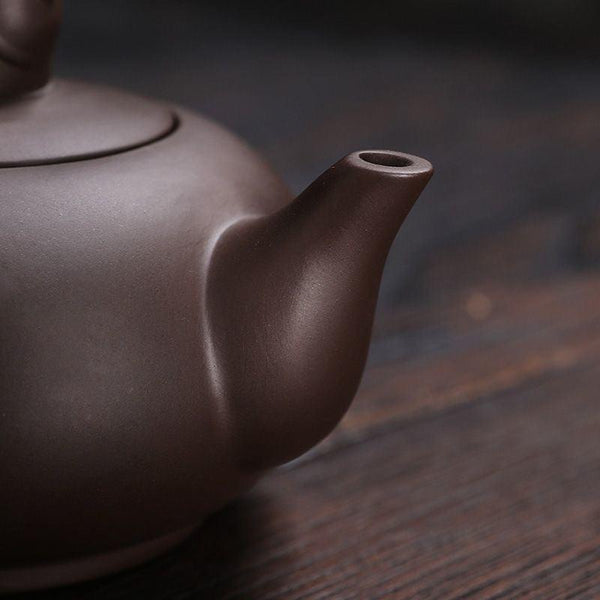
Pouring and Stopping: When pouring plain water, the stream should be round like a pillar, smooth, and unscattered; when you stop pouring, the spout should cut off the water instantly without dripping.
Balance and Grip: Fill the pot with water and hold the handle to feel if the center of gravity is balanced and if the grip is comfortable.
3. Look Forward to "Seasoning the Pot" and Stick to "One Pot, One Tea"
Buying a Yixing teapot is just the beginning of the experience; the real joy lies in the subsequent seasoning and the development of the patina. With every brew, the microscopic pores of the teapot absorb the tea's flavors and oils, gradually forming a warm, semi-transparent patina over time. To protect this precious coating, you must never use soap or dish detergent to clean the pot. Furthermore, once you take a teapot home, we strongly recommend following the "one pot, one tea" principle to prevent the flavors of different teas from mingling in the micropores and ruining your future tasting experience.
Conclusion
The sheer brilliance of the Yixing teapot lies in how it perfectly melds the natural properties of the clay, the trial of fire, the artisan's carving, and scholarly aesthetics into one single entity. To understand Zisha shapes is to understand the artistic philosophy of respecting nature and pursuing balance and perfection in traditional Chinese culture. Whether it’s the softly restrained Xi Shi, the proud and upright Si Fang, the vividly expressive special shapes, or the meticulously precise ribbed vessels, when paired with the right tea and your careful maintenance, they will only grow more captivating with the passage of time.