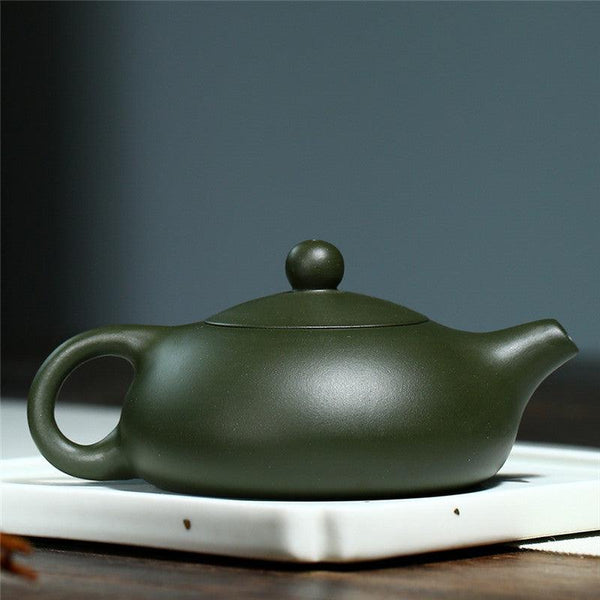
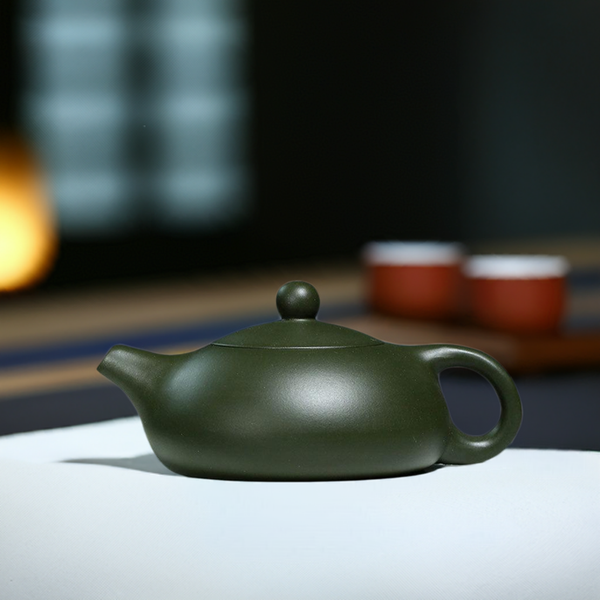
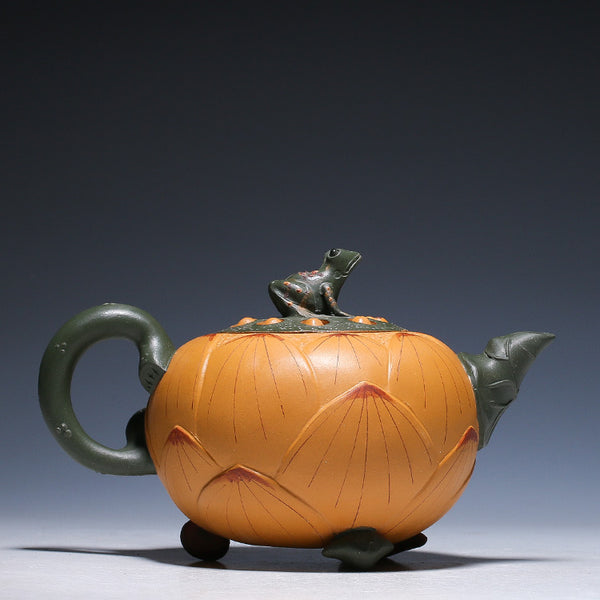
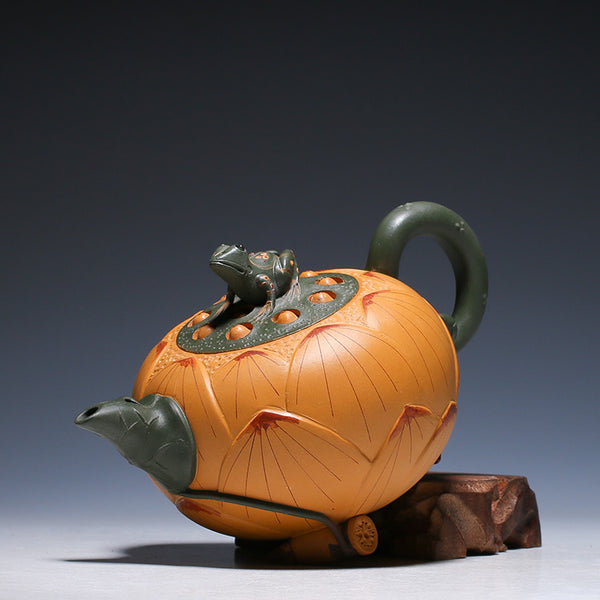
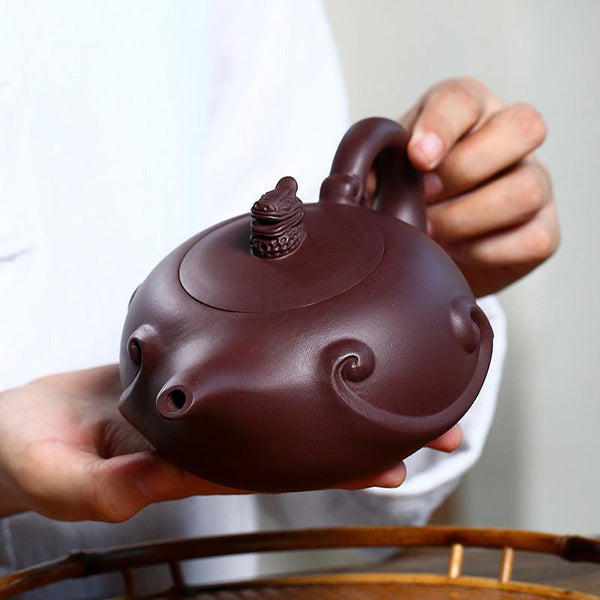
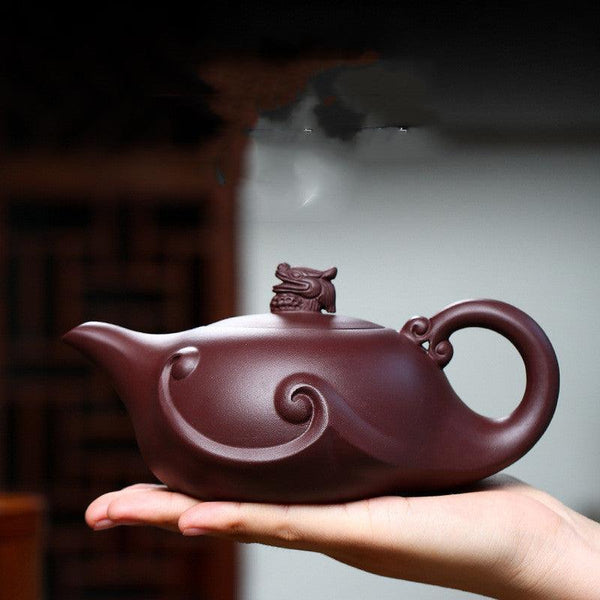
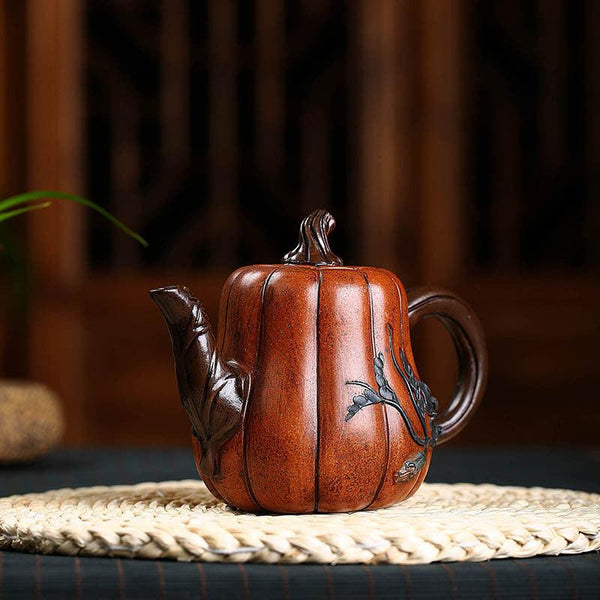
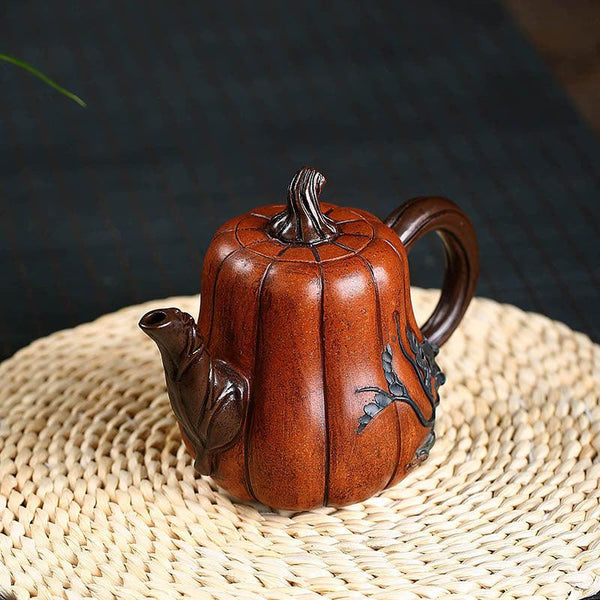
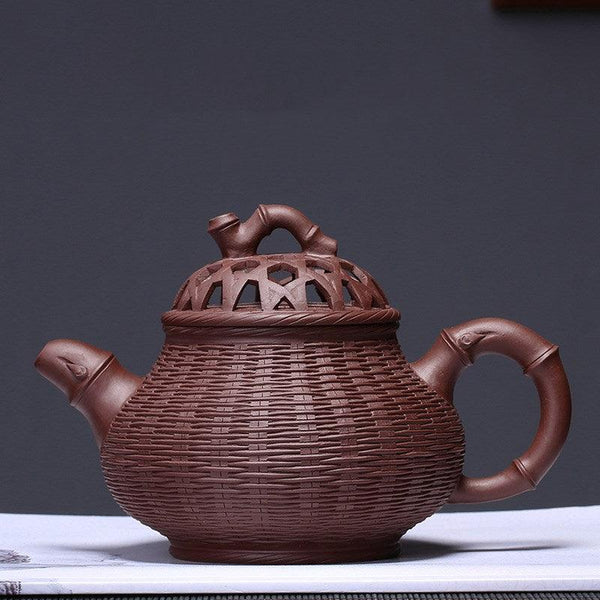
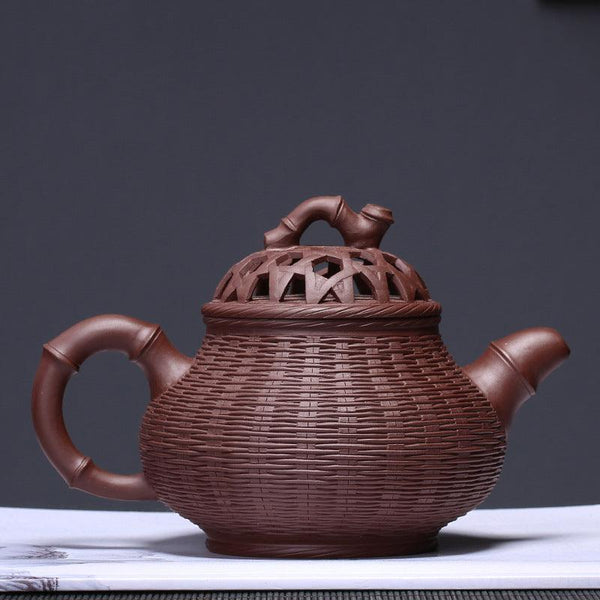
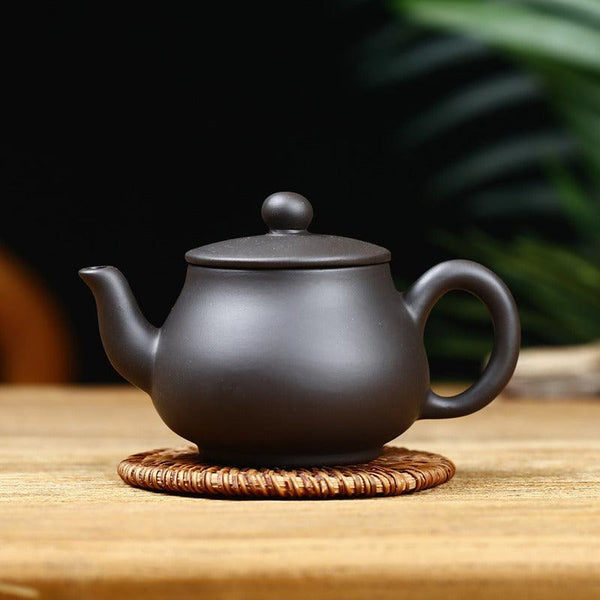
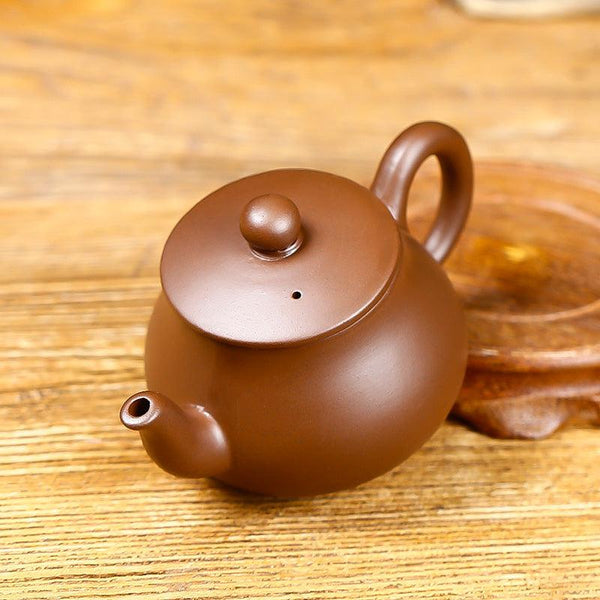
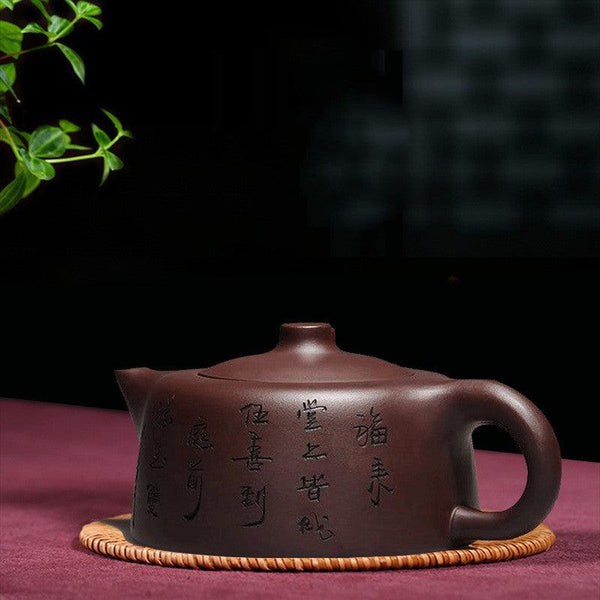
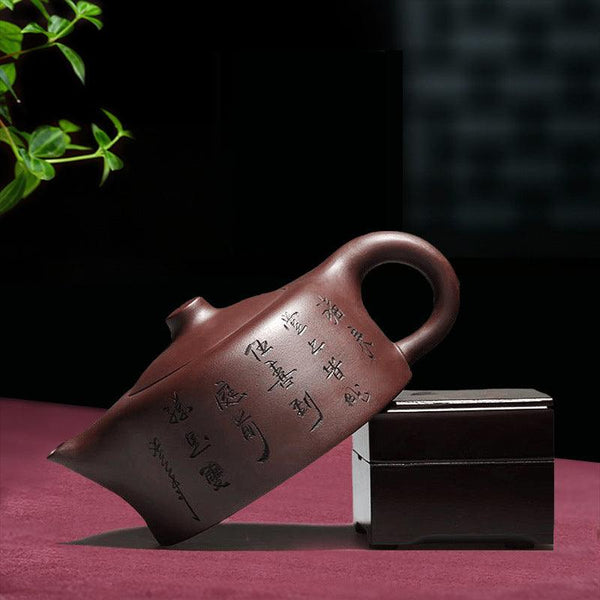
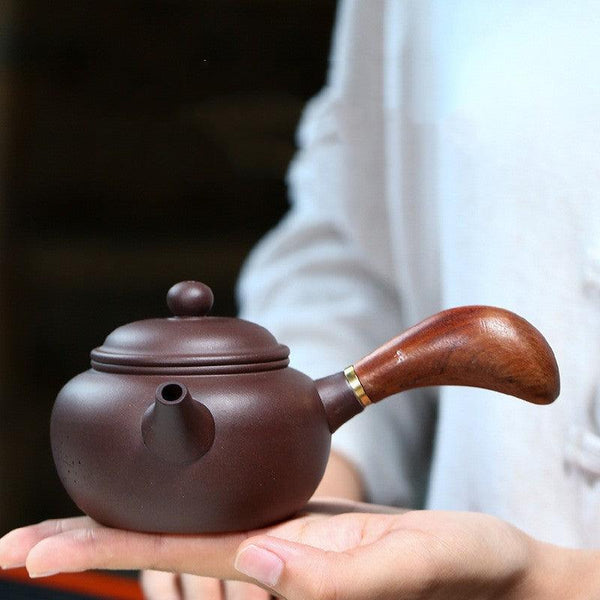
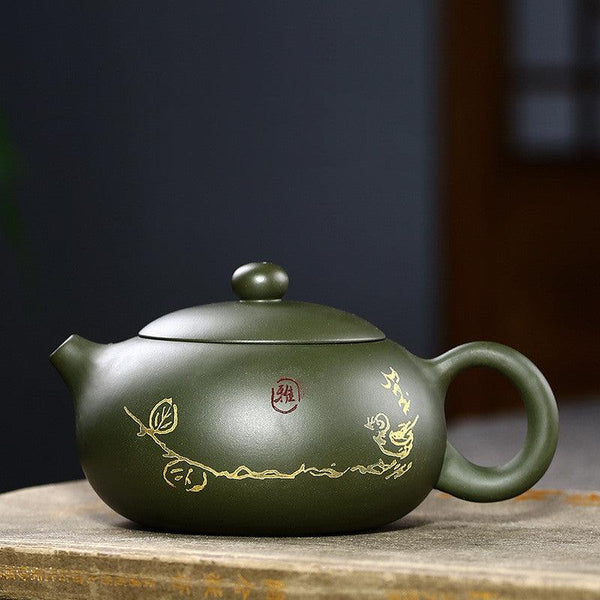
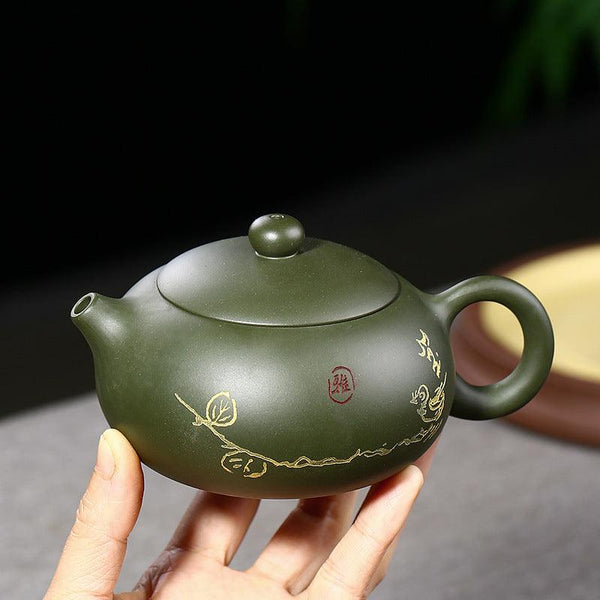
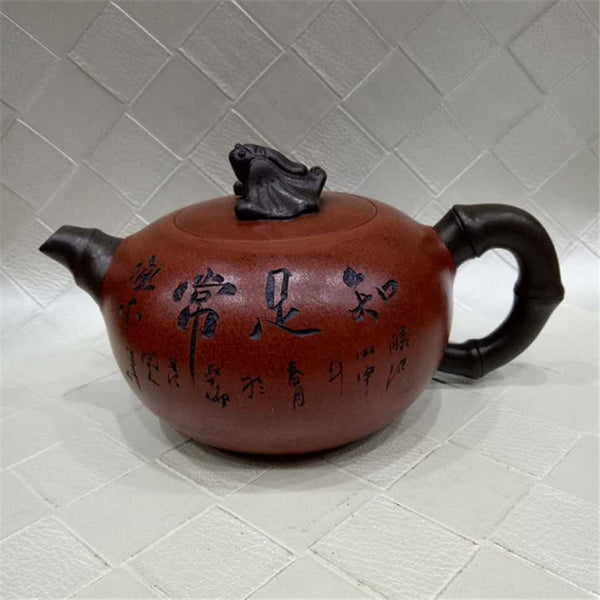
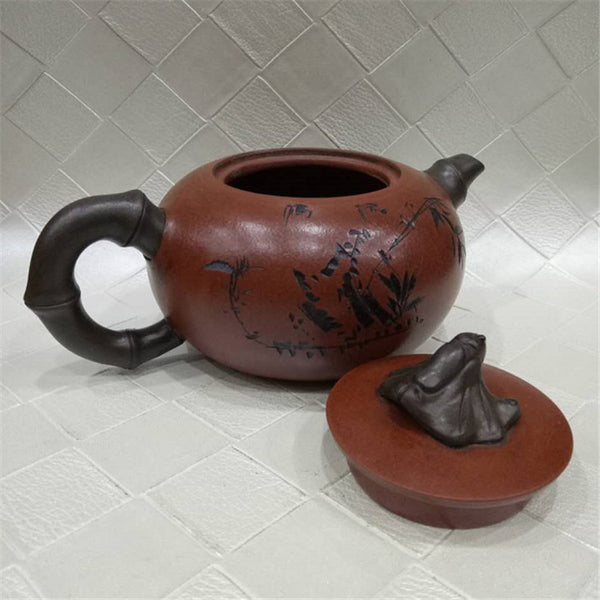
Choosing a Zisha teapot is not only about selecting a beautiful handmade teapot. The right teapot should match the tea you brew most often, the brewing temperature you use, and the way you want the tea aroma and flavor to develop.
A Zisha teapot can affect heat preservation, aroma concentration, tea leaf expansion, and the smoothness of the tea soup. That is why shape, clay type, wall thickness, mouth size, and spout design all matter when choosing a teapot for daily tea brewing.
This guide explains how to choose a Zisha teapot by tea type, clay, shape, and use habits, so you can find a teapot that fits your green tea, oolong tea, black tea, or gongfu tea routine.
Quick Choice Guide: Which Zisha Teapot Fits Your Tea?
If you are not sure where to start, begin with the tea you drink most often. Different teas need different brewing temperatures, heat retention, and aroma control.
For Green Tea
Green tea is unfermented, delicate, and easy to oxidize. It usually does not need long high-temperature brewing. A teapot that releases heat quickly is more suitable.
Recommended teapot features:
- Flat belly and wide mouth
- Shorter body
- Thin body wall
- Faster heat dissipation
- Clay with good air permeability and lighter adsorption
Suitable pot types include flat-belly wide-mouth teapots, such as antique-style pots or well-fence-style pots. These shapes help release heat faster and reduce the risk of suffocating tender tea buds.
For clay, light-colored Duan clay can be considered because it has good air permeability and relatively weak adsorption, making it less likely to cover the elegant aroma of green tea.
For Oolong Tea
Oolong tea is semi-fermented and often needs higher-temperature brewing to stimulate fragrance and tea flavor. A teapot with stronger heat preservation and better aroma gathering is usually more suitable.
Recommended teapot features:
- Tall body
- Smaller mouth
- Thick wall
- Stronger heat preservation
- Better aroma concentration
For high-aroma oolong teas, a tall-body, small-mouth teapot, such as a pear-shaped pot or Siting-style pot, can help gather aroma. For heavier roasted oolong teas, such as rock tea, a round pot with thicker walls can help maintain brewing temperature.
For clay, red clay is suitable for aroma-focused teas because it has high density, moderate air permeability, and a good aroma-locking effect. Purple clay is also suitable for teas that need stronger heat preservation, such as Wuyi rock tea and Dahongpao.
For Black Tea
Black tea is fully fermented, sweet, and mellow. It needs moderate steeping so the substances inside the tea leaves can be released smoothly without creating excessive bitterness.
Recommended teapot features:
- Medium size
- Round belly
- Smooth water flow
- Direct spout
- Moderate air permeability
A medium-sized round-bellied teapot, such as a Xishi-style pot or Wendan-style pot, gives tea leaves space to expand and helps promote a mellow tea soup. A direct-current spout can also help pour the tea soup smoothly and reduce over-soaking.
For clay, purple clay is suitable because it has moderate air permeability and can help make black tea taste smoother. Red clay can also be considered because its warm color visually complements the color of black tea soup.
Choose by Zisha Clay Type
The clay is one of the most important factors in choosing a Zisha teapot. Yixing purple clay, also known as five-color soil, can be weathered and refined into different clay types. Each clay has its own color, texture, air permeability, and aesthetic effect.
Purple Clay
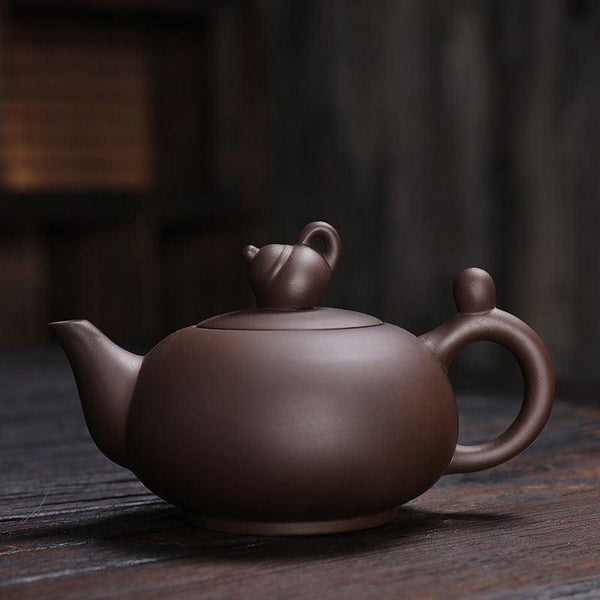
Purple clay is usually purple-brown in color, with clear granularity, good air permeability, and strong adsorption. High-quality purple clay ore can have a fine texture and visible mineral particles. After firing, the surface often appears warm, simple, and restrained.
Choose purple clay if you want a balanced teapot for teas that benefit from heat preservation and moderate air permeability. It is especially suitable when you want the tea soup to become smoother over long-term use.
Purple clay is a practical option for drinkers who brew oolong tea, black tea, or other teas that need a stable brewing temperature.
Green Clay
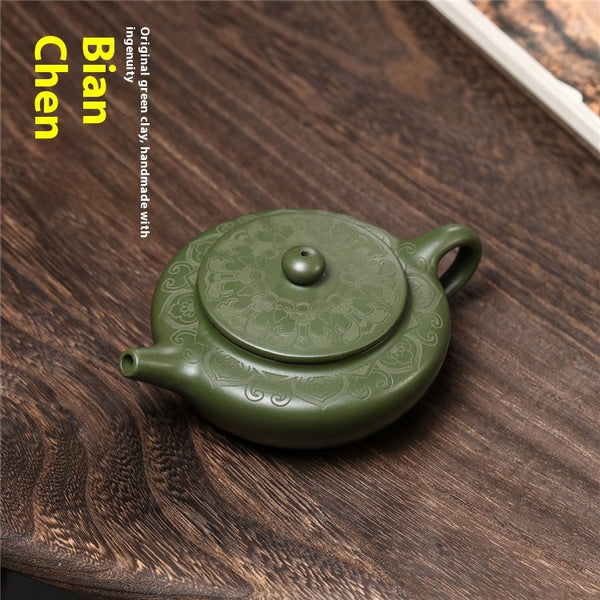
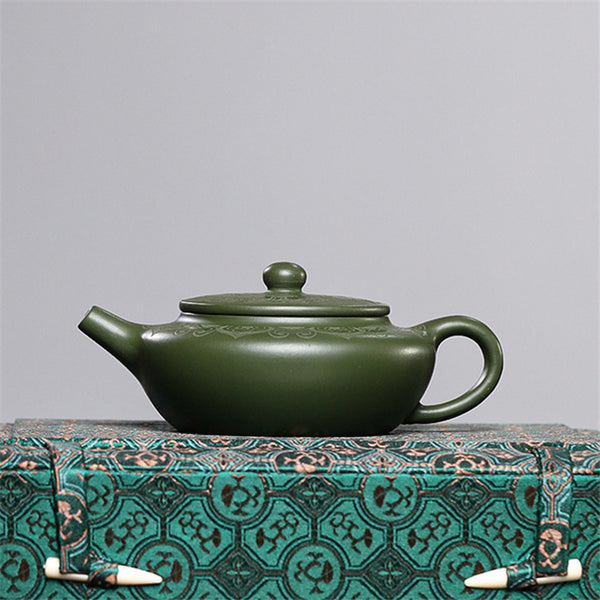
Green clay appears light green in its original ore state and may become beige or light yellow after firing. It has a fine texture and medium air permeability.
However, green clay has a relatively high shrinkage rate and can be easier to crack during production, making it more difficult to form. Because of this, it is often used for decoration or blending.
Choose green clay if you prefer a lighter-colored visual style or want a teapot with a more elegant appearance. It can work well when the tea’s fragrance should remain clean and not be heavily covered by clay adsorption.
Red Clay
Red clay is orange-red in its original ore state and becomes vermilion or brown-red after firing. It has fine clay texture, high density, and strong fragrance-gathering qualities.
Choose red clay if you often brew fragrant teas such as Tieguanyin, Phoenix Dancong, or high-aroma oolong teas. Its density and aroma-locking effect make it suitable for tea drinkers who care about fragrance concentration.
Red clay is also visually warm, so it pairs naturally with darker tea soup colors, especially oolong tea and black tea.
Blue-Grey Clay
Blue-grey clay is a symbiotic ore of purple clay and green clay. It contains a relatively high amount of iron and becomes blue-grey after firing.
Choose blue-grey clay if you prefer a simple, steady, and more understated teapot appearance. It is suitable for tea drinkers who care about both function and the visual character of the teapot.
Sesame Duan Clay
Sesame Duan clay is a symbiotic ore of Duan clay and purple clay. Its surface contains many dark particles, which look similar to sesame grains. It has good air permeability and a distinctive texture.
Choose sesame Duan clay if you like a textured surface and want a teapot with visible clay character. Because Duan clay can absorb color more easily, it should be used and maintained with care, especially when brewing dark tea for a long time.
Choose by Pot Shape and Brewing Behavior
The shape of a Zisha teapot changes how heat, aroma, and tea leaves behave during brewing. When choosing a teapot, look at the height of the body, the size of the mouth, the wall thickness, the belly shape, and the spout design.
Wide-Mouth and Flat-Belly Teapots
Wide-mouth and flat-belly teapots release heat quickly. They are suitable for teas that do not need long high-temperature brewing.
Best suited for:
- Green tea
- Delicate tea buds
- Teas that are easy to oxidize
- Tea drinkers who want faster heat dissipation
Because the body is shorter and the opening is wider, these teapots help avoid over-heating the tea leaves.
Tall-Body and Small-Mouth Teapots
Tall-body and small-mouth teapots gather aroma more effectively. They are suitable for teas that need high-temperature brewing and stronger fragrance concentration.
Best suited for:
- High-aroma oolong tea
- Tieguanyin
- Phoenix Dancong
- Other fragrant semi-fermented teas
These shapes help hold fragrance inside the pot, making the tea aroma more concentrated when poured.
Round-Bellied and Thick-Wall Teapots
Round-bellied teapots give tea leaves more space to expand. Thick-wall teapots help preserve heat for teas that need a stable brewing temperature.
Best suited for:
- Black tea
- Wuyi rock tea
- Dahongpao
- Heavy-roasted oolong tea
- Teas that need fuller extraction
If you prefer a mellow and full-bodied tea soup, a round-bellied pot can be a practical choice.
Smooth Spout and Pour Control
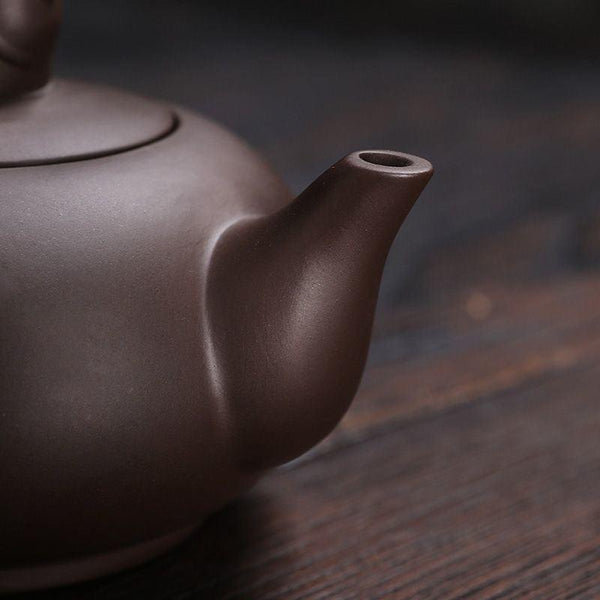
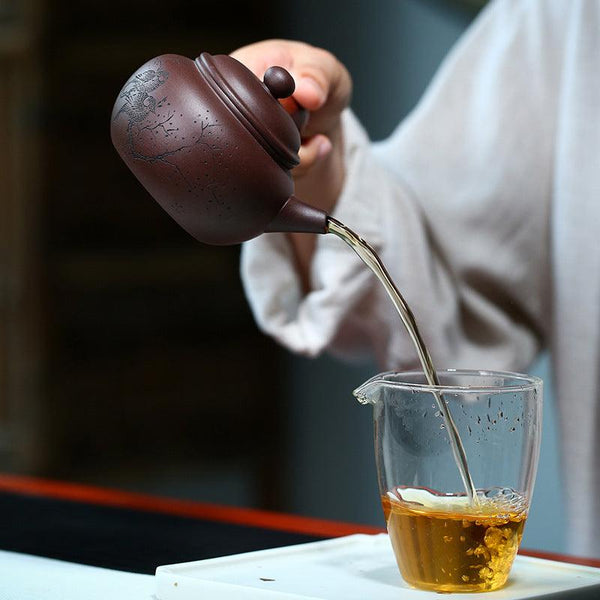
A smooth spout is important because pouring speed affects steeping time. If the tea soup stays in the pot too long, the flavor may become too strong or bitter.
When choosing a Zisha teapot, check whether the water flow is smooth, direct, and easy to control. This is especially important for black tea, oolong tea, and gongfu tea brewing, where a few extra seconds can change the taste.
Match Teapot Size to Your Tea Routine
Size is another practical factor when choosing a Zisha teapot. A teapot that is too large may make it harder to control brewing strength, while a teapot that is too small may not be convenient when serving several people.
Before choosing a size, consider:
- Do you usually drink tea alone?
- Do you brew gongfu tea with multiple short infusions?
- Do you often serve guests?
- Do your tea leaves need space to expand?
- Do you prefer concentrated tea soup or lighter tea soup?
For personal daily brewing, a smaller Zisha teapot can make it easier to control the amount of tea leaves, water, and steeping time. For shared tea sessions, a larger teapot may be more convenient.
The right size should match your actual brewing habit rather than only the appearance of the pot.
One Teapot for One Tea: When It Matters
In tea art, the principle of “one teapot for one tea” is often emphasized. This is because Zisha clay has adsorption, especially purple clay and Duan clay. Over time, the teapot can absorb tea aroma and gradually develop a unique brewing character.
Using one teapot for one type of tea helps reduce mixed aromas. For example, if you often brew high-aroma oolong tea in one pot and then use the same pot for green tea, the remaining fragrance may affect the lighter aroma of green tea.
This does not mean every beginner must immediately own many teapots. But if you drink one tea type often, it is worth choosing a dedicated Zisha teapot for that tea. As your tea routine becomes more stable, you can add different teapots for different tea categories.
Before You Buy: Care and Use Considerations
A Zisha teapot is not only a brewing tool. It also needs proper use and care. Before buying, consider how you will maintain it.
Preheat Zhuni Pots Carefully
Zhuni pots can be easier to crack, so they need to be preheated before use. Avoid sudden temperature changes. Warm the pot gradually before pouring in hot water for brewing.
Avoid Long Soaking with Duan Clay
Duan clay pots should not be soaked in dark tea for a long time. Lighter clay colors may be affected more obviously by tea stains. If you choose Duan clay, use it with care and clean it properly after brewing.
Keep Tea Types Consistent
Because Zisha clay can absorb tea aroma, try to keep one teapot for one major tea type. This is especially useful for purple clay and Duan clay pots with stronger absorption.
Focus on Daily Fit, Not Only Appearance
A beautiful teapot is enjoyable, but the most suitable teapot should also match your tea, hand feel, pouring habit, and brewing style. Shape, clay, size, and function should work together.
Recommended Zisha Teapot Types by Tea Preference
If you are ready to browse Zisha teapots, use your tea preference as the first filter.
If You Mainly Drink Green Tea
Look for a flat-belly, wide-mouth, or thin-body teapot with faster heat dissipation. Duan clay or lighter clay styles can be worth considering when you want to preserve the fresh and elegant aroma of green tea.
If You Mainly Drink Oolong Tea
Look for a tall-body, small-mouth, or thick-wall teapot. Red clay is suitable for aroma-focused oolong teas, while purple clay is suitable for teas that need stronger heat preservation, such as Wuyi rock tea and Dahongpao.
If You Mainly Drink Black Tea
Look for a medium-sized round-bellied teapot with smooth pouring. Purple clay can help create a smoother tea soup, while red clay can create a warm visual pairing with the color of black tea.
If You Brew Several Tea Types
Start with the tea you drink most often. Choose your first Zisha teapot around that tea type, then consider adding another teapot later if you regularly brew teas with very different aromas or brewing temperatures.
Common Mistakes When Choosing a Zisha Teapot
Choosing Only by Appearance
A beautiful Zisha teapot may not be the right match for your tea. Always check clay, shape, size, and brewing function before deciding.
Ignoring Tea Type
Green tea, oolong tea, and black tea have different brewing needs. If you choose the same pot shape for every tea, the result may not match the tea’s best flavor.
Using One Pot for Very Different Teas
Because Zisha clay can absorb aroma, using one pot for strongly different teas may mix tea smells. A dedicated teapot is more suitable for long-term tea brewing.
Overlooking Heat Retention
Some teas need fast heat dissipation, while others need stronger heat preservation. Pot shape and wall thickness should match the tea’s brewing temperature.
Forgetting Pour Speed
A smooth pour helps control steeping time. If the tea soup stays in the pot too long, the taste may become too strong or bitter.
FAQ About Choosing a Zisha Teapot
What is the best Zisha teapot for beginners?
For beginners, a practical choice is a teapot that matches the tea you drink most often. If you drink oolong tea, consider a tall-body or thick-wall pot. If you drink black tea, consider a medium-sized round-bellied pot. If you drink green tea, consider a wide-mouth or flat-belly pot with faster heat dissipation.
Which Zisha clay is suitable for oolong tea?
Red clay and purple clay are both suitable for oolong tea. Red clay is useful for aroma-focused teas because of its density and aroma-locking effect. Purple clay is suitable for teas that need stronger heat preservation, such as Wuyi rock tea and Dahongpao.
Can I use one Zisha teapot for different teas?
You can, but it is better to avoid using the same teapot for teas with very different aromas. Zisha clay can absorb tea fragrance over time, so using one teapot for one major tea type helps keep the tea flavor cleaner.
What shape of Zisha teapot is good for green tea?
A flat-belly, wide-mouth, or thin-body teapot is more suitable for green tea. These shapes release heat faster and help avoid over-brewing delicate tea leaves.
Is purple clay or red clay better for black tea?
Both can be used for black tea. Purple clay has moderate air permeability and can help create a smoother tea soup. Red clay has a warm fired color that visually complements black tea soup.
Why does teapot shape matter?
Teapot shape affects heat preservation, aroma concentration, tea leaf expansion, and pouring speed. A tall pot gathers aroma, a wide-mouth pot releases heat, and a round-bellied pot gives tea leaves more space to expand.
Browse Zisha Teapots by Tea Type, Clay, and Shape
The easiest way to choose a Zisha teapot is to start with your tea.
If you mainly drink green tea, look for a wide-mouth or flat-belly pot with faster heat release. If you mainly drink oolong tea, compare tall-body, small-mouth, red clay, and purple clay teapots. If you mainly drink black tea, consider a medium-sized round-bellied teapot with smooth pouring.
Choose your tea type first, then compare Zisha teapots by clay, shape, capacity, and brewing style. This will help you find a teapot that is beautiful, practical, and suitable for the tea you enjoy most.