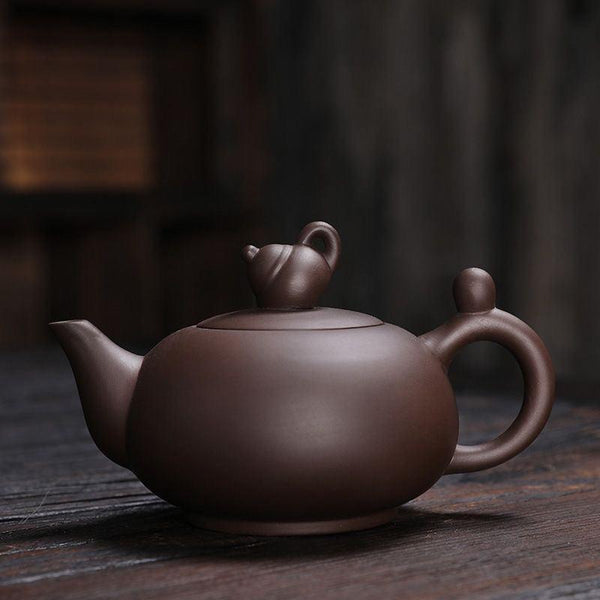
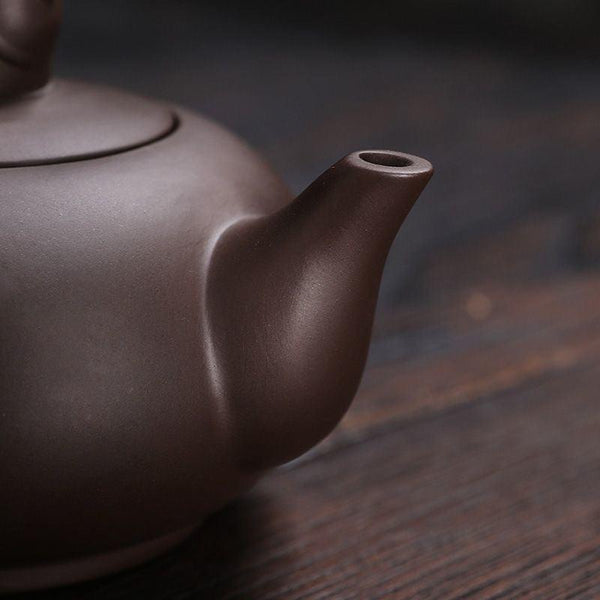
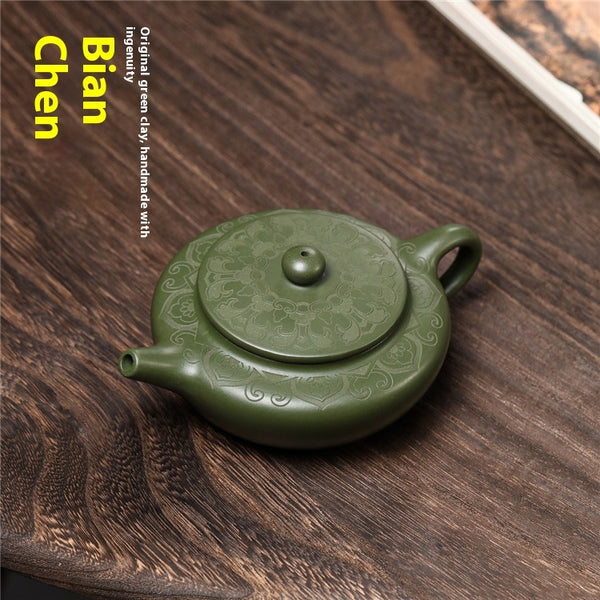
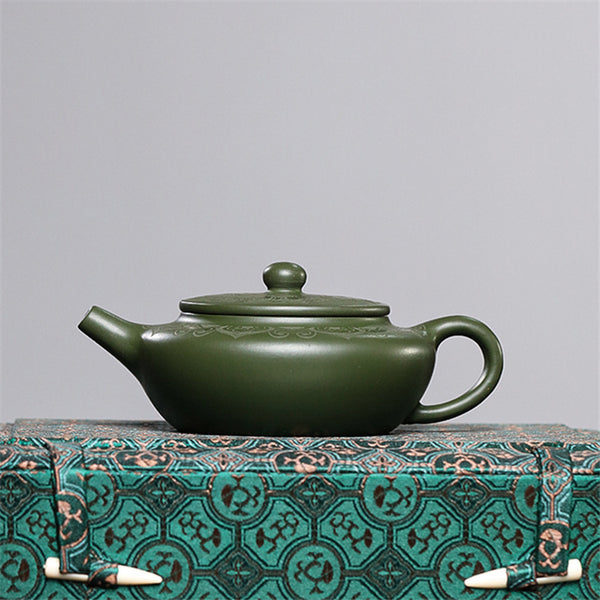
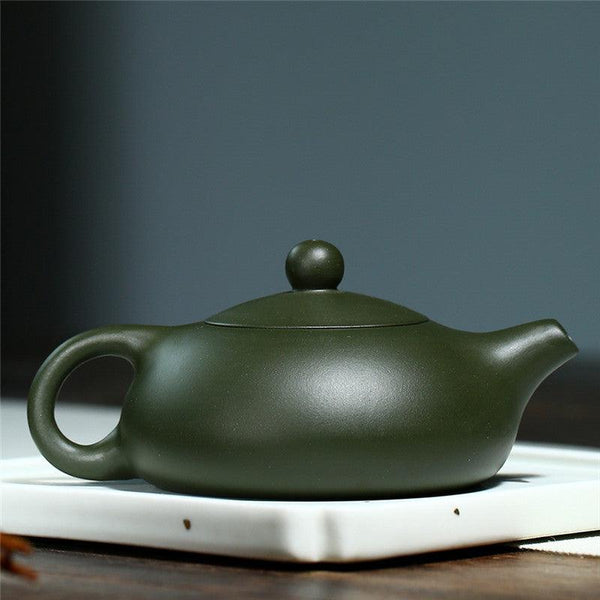
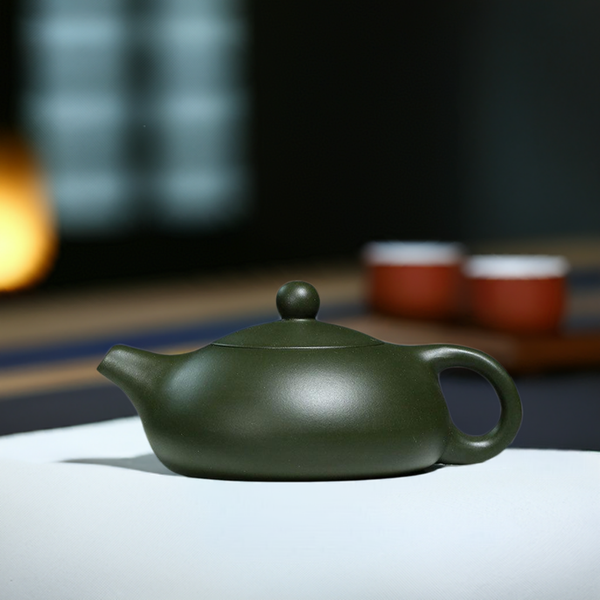
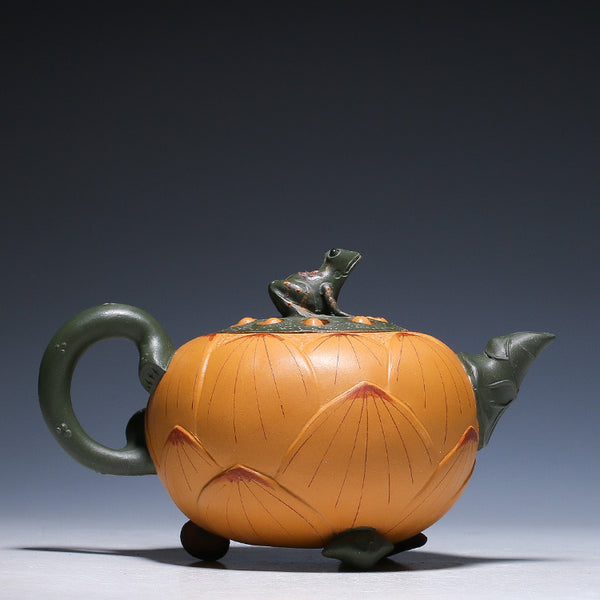
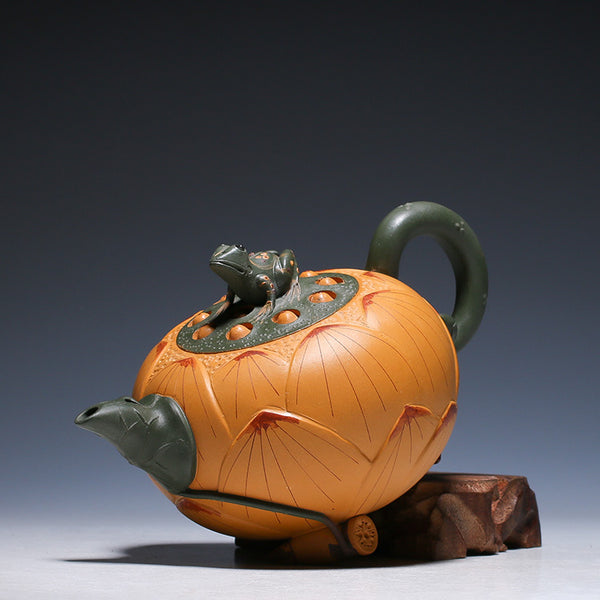
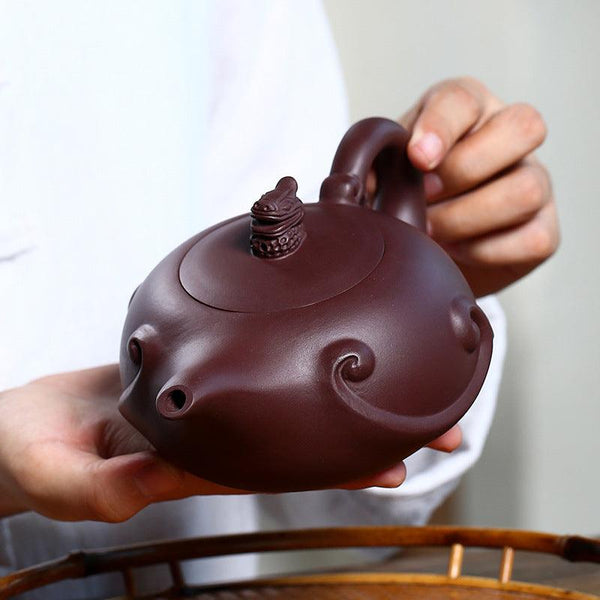
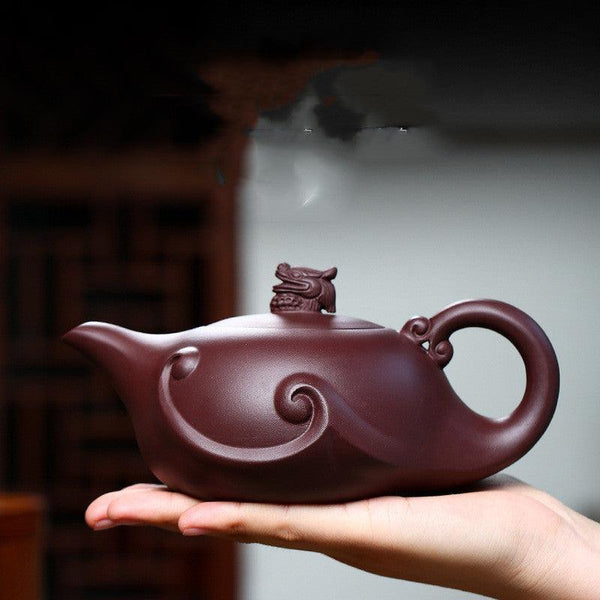
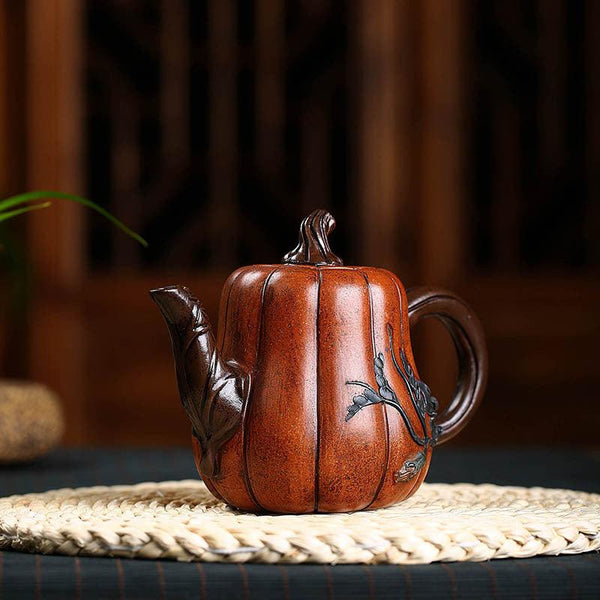
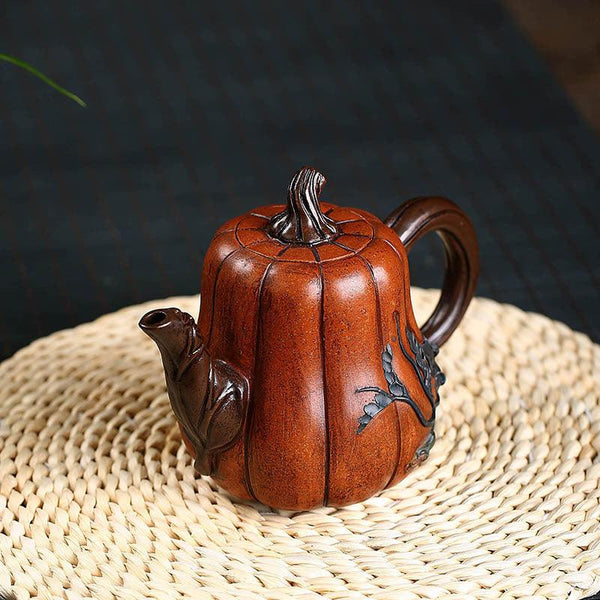
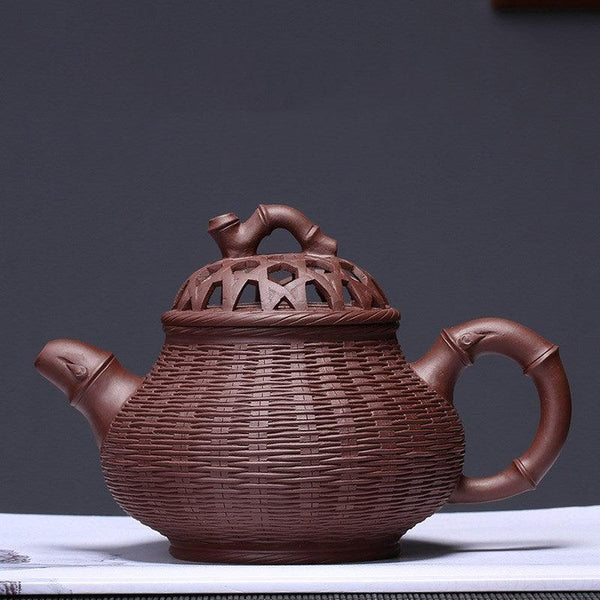
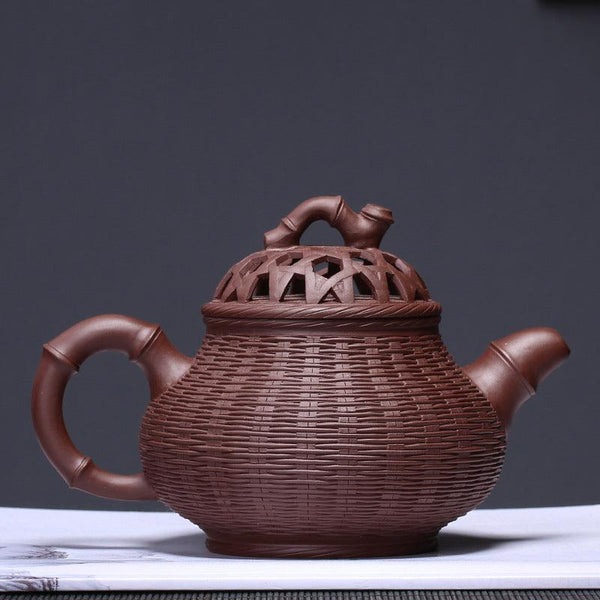
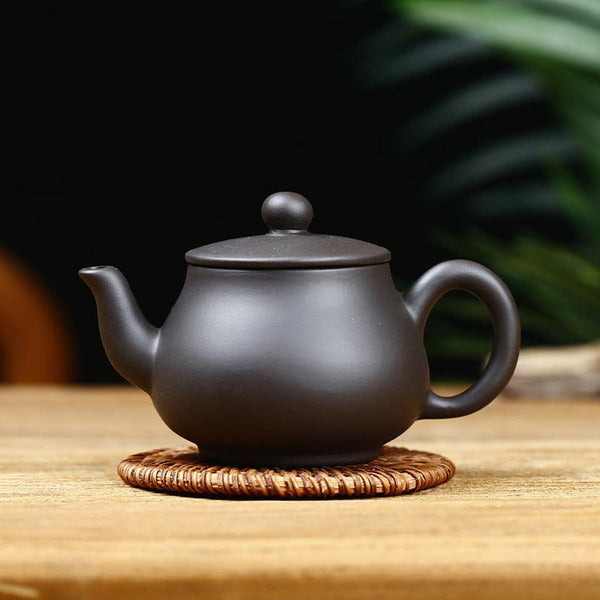
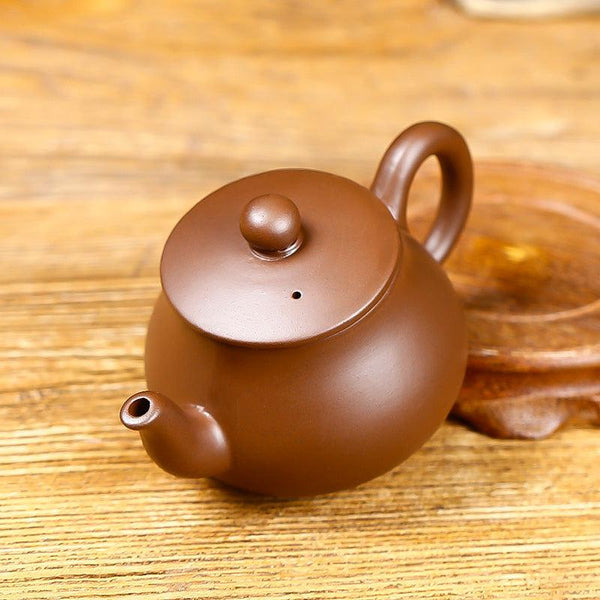
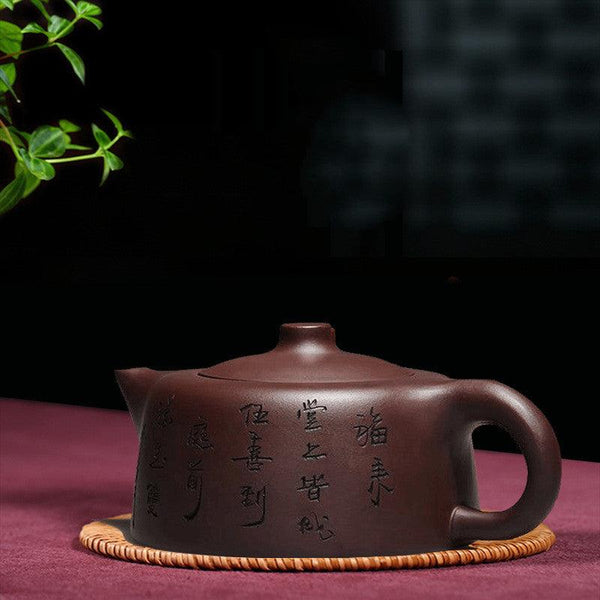
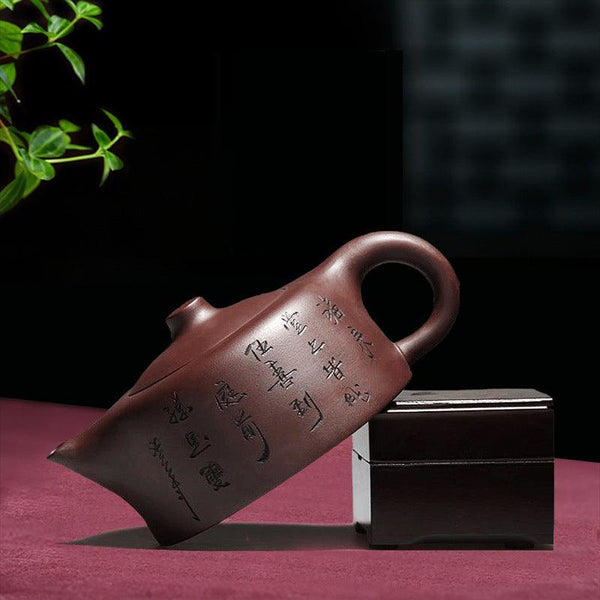
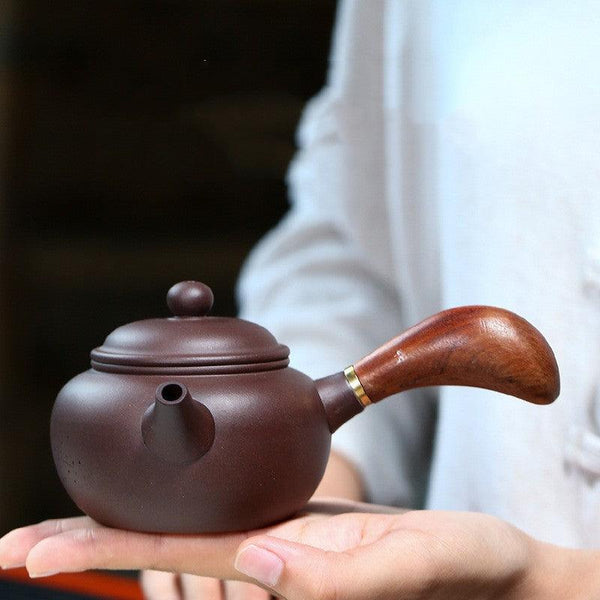
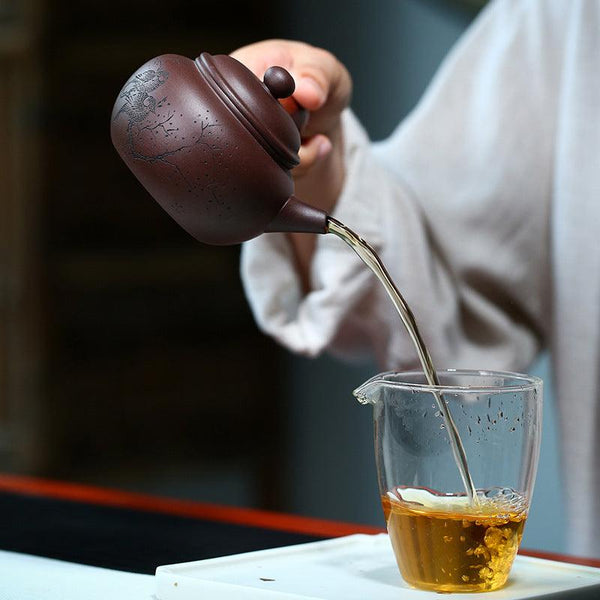
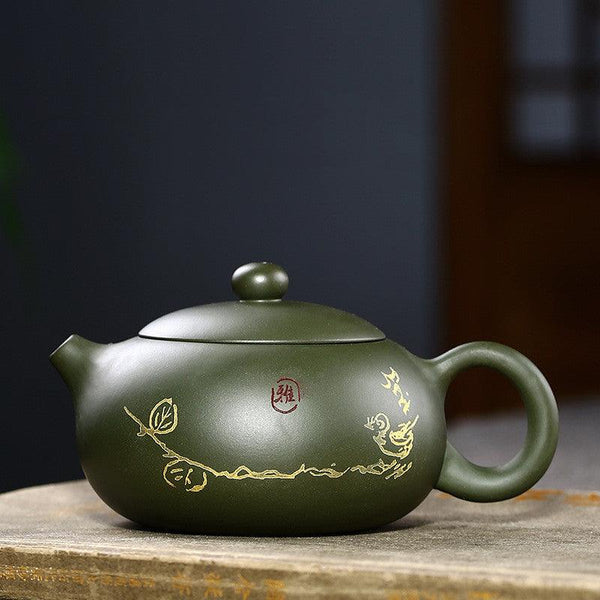
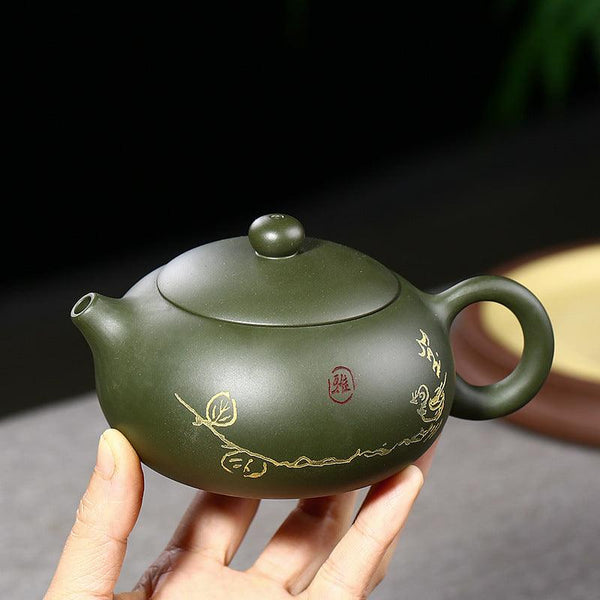
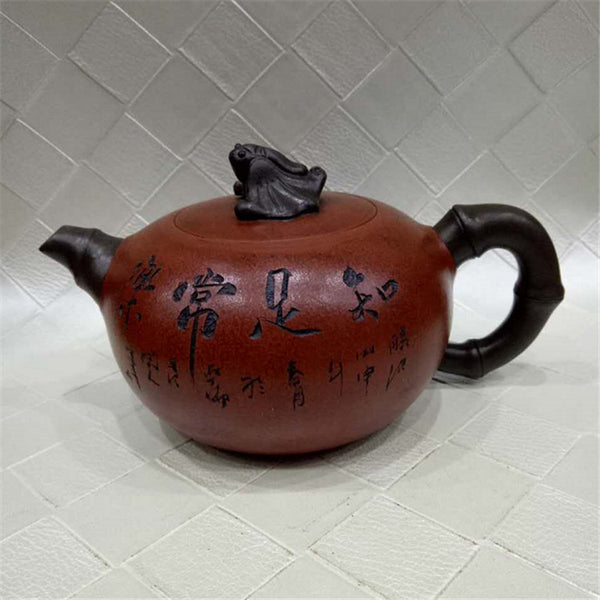
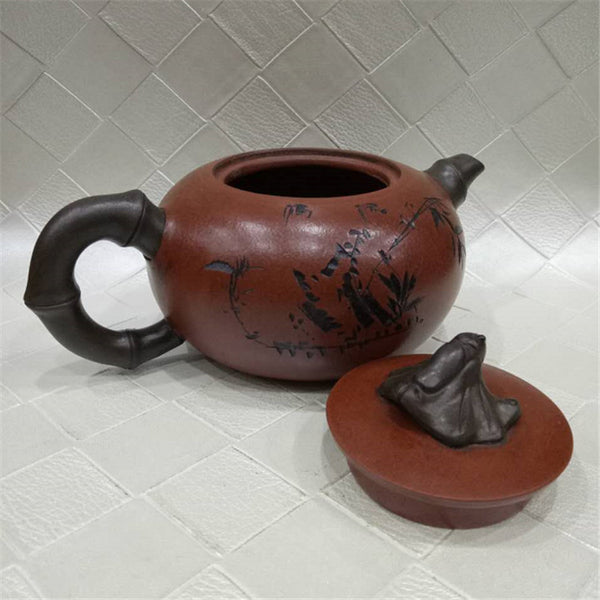
If you line up three teapots made from the exact same batch of raw Yixing purple clay, you might be astonished to find they display three entirely different colors. One might be a soft, warm orange-red; another, a deep, rich liver-purple; and the third, a dark, metallic bronze.
This magical transformation is not the result of artificial dyes or chemical coatings. It is the work of fire.
In authentic Yixing Zisha craft, kiln temperature and atmospheric conditions act as natural paintbrushes. The intense heat of the furnace activates raw minerals, rearranges crystalline structures, and dictates the final color, texture, and luster of the teapot.
Understanding how kiln temperature changes teapot color is one of the most rewarding skills for any tea connoisseur or collector. Here is the science, physics, and art behind this thermal alchemy.

1. Natural Color Before and After Firing
To appreciate what happens inside the kiln, one must first understand what raw Yixing clay looks like before it meets the fire.
In its unmined, raw ore state (Sheng Ni), purple clay looks like ordinary rock or hard shale. Red clay (Zhuni) ores often look pale yellow or greenish; purple clay (Zisha) ores appear dark grey, brown, or brownish-red; and fortified clay (Duanni) ores resemble light greenish-yellow stone.
When the raw stone is weathered, ground into powder, mixed with water, aged, and sculpted into an unfired teapot (Green Body), the wet clay remains dull, earthy, and muted in color.
It is only inside the high-temperature kiln—where temperatures reach between 1150°C and 1200°C—that a profound metamorphosis occurs. As heat drives out moisture, melts fluxes, and recrystallizes iron minerals, the dull, clayish vessel transforms into a dense, ringing stoneware possessing rich mineral hues and a natural matte luster.
2. Iron Oxide and Other Color-Producing Minerals
The vibrant spectrum of authentic Yixing clay is dictated by its rich, naturally occurring mineral chemistry.
Iron Oxide (Fe2O3) — The Primary Pigment
Iron oxide is the undisputed master of Yixing color. Raw Zisha ores contain high concentrations of iron oxide and iron hydroxide minerals (such as hematite and goethite). Under high firing temperatures in an oxygen-rich atmosphere, iron minerals convert into microscopic hematite crystals embedded within the clay matrix.
- High concentrations of iron combined with fine clay particles produce the crimson and scarlet hues of Red Clay (Zhuni).
- Moderate iron concentrations blended with quartz and mica give Purple Clay (Zisha) its classic warm chocolate and reddish-brown shades.
Trace Mineral Modifiers
Titanium (TiO2): Found in higher proportions in Duan Clay (Duanni), titanium shifts the fired color toward warm ivory, beige, golden-tan, or pale bronze.
Manganese (MnO): Naturally occurring manganese oxide deepens purple clay into dark liver, aubergine, or deep brown-black tones.
Silica & Glass Phases: At high temperatures, silica melts into a liquid phase that solidifies into an amorphous glass phase. This transparent glass phase wraps around mineral grains, giving the pot its soft, jade-like depth rather than a dull, chalky surface.
3. Low, Correct, and Excessive Firing Temperatures
Every specific batch of Yixing clay has a sweet spot—an optimal firing temperature range where the minerals vitrify perfectly. Deviating above or below this range alters both the color and physical performance of the pot:
|
Firing State |
Color & Visual Texture |
Physical Character & Performance |
|
Under-fired (Tender / Under) |
Pale, dull, chalky, yellowish,lacks depth and mineral luster |
High porosity, water-absorbent,dull thud sound, prone to staining |
|
Optimal Firing (Mature / Correct) |
Saturated, warm, natural matte, visible sand grain texture |
Ideal dual-pore breathability, crisp ringing tone, smooth patina |
|
Over-fired (Excessive / High) |
Darkened, bluish-black tint, glossy, visible iron blisters |
Glassy, low porosity, surface blistering, risk of kiln sagging |
Under-Firing (Tender Firing)
When the kiln temperature fails to reach the clay's ideal sintering threshold, the iron minerals are not fully activated, and the silica phase does not melt sufficiently. The resulting teapot looks pale, dull, and chalky. Because the clay particles haven't fused tightly, under-fired teapots have excessively high absorption rates, a dull "thud" sound when tapped, and are highly prone to absorbing unpleasant food odors or turning dark and blotchy (Tu Hei) over time.
Optimal Firing (Mature Firing)
At the correct temperature, iron minerals convert fully into hematite, and a balanced amount of liquid phase fills the microscopic voids. The teapot displays a rich, saturated color with a warm matte texture. The individual quartz and sand grains remain distinct and scattered across the surface, giving the pot its famous tactile grip and perfect "breathable" pore structure.
Over-Firing (Excessive Heat)
4. Oxidation vs. Reduction Atmospheres
Oxidation Firing (Oxygen-Rich Environment)
Reduction Firing & The Traditional "Wu Hui" Craft
5. Why the Same Clay Can Produce Different Colors
- The Temperature Gradient: Raising the temperature by just 15°C to 20°C deepens the shade. For instance, a purple clay fired at 1160°C may turn a reddish-brown, while the same clay fired at 1190°C will shift to a deep purple-black.
- Kiln Micro-Climates (窑变): Temperatures inside traditional wood-fired or gas kilns are rarely uniform. Pots placed near the burners experience higher radiant heat and flame contact, while those in the center experience gentle, ambient heat. This micro-climate variation creates one-of-a-kind natural color shifts and subtle flame shadows across the pot surface.
6. Can Color Prove Authenticity?
With fake and chemically altered teapots polluting the online market, many buyers wonder if color alone can prove a teapot's authenticity.
Natural Mineral Luster vs. Harsh Chemical Dyes
Authentic Zisha clay gets its color from microscopic mineral grains buried deep inside the clay matrix. When light hits an authentic teapot, it refracts through scattered quartz grains, mica flecks, and hematite crystals, producing a soft, warm, multi-layered depth.
In contrast, fake teapots made from cheap, non-Yixing white clay are heavily dyed with industrial chemical oxides (such as cobalt oxide for artificial blue, chromium oxide for bright green, or excessive manganese for unnatural jet black). These chemically dyed pots display a harsh, flat, unnaturally vivid color that looks cold, stiff, and plastic-like.
The Limitations of Color Inspection
While unnatural bright colors are an immediate red flag, natural color alone cannot guarantee authenticity. Modern counterfeiters can blend subtle amounts of pigments to mimic natural hues. Therefore, color must always be evaluated alongside tactile texture, weight, lid fit, and micro-porous performance.
7. How to Evaluate Teapot Color Without Relying on Photos
Online shopping presents a major hurdle for tea lovers: digital photography, artificial studio lighting, and smartphone screen calibrations can drastically alter how a teapot's color appears. A pot that looks golden-brown on your monitor might arrive looking dull tan.
Here is a simple three-step method to evaluate real-life teapot color accurately:
1. Inspect Under Natural Diffused Daylight
Never judge a teapot under bright fluorescent office lights, harsh LED lamps, or direct blinding sunlight. Take the teapot near a window on a cloudy day or under indirect daylight. Natural light reveals the clay's true base hue, subtle color shifts, and natural mineral specks without artificial glare.
2. Look for "Warm Matte" vs. "Harsh Glare"
Unfired chemical coatings or artificial waxes applied to hide poor clay give off a sharp, oily glare (Zhei Guang). Authentic, well-fired Zisha clay possesses a subtle, restrained matte sheen (Run), resembling the soft texture of unpolished jade or smooth river stone.
3. Test the Patina Response (Bao Jiang)
The ultimate test of authentic clay color is how it responds to tea. Pour hot water over the teapot during your daily brewing session. Authentic, optimally fired clay will absorb the hot water instantly without leaving water bead stains, and over weeks of mindful use, the porous surface will absorb natural tea oils, slowly developing a deep, glossy, mirror-like jade patina that glows from within.
Conclusion
The color of an authentic Yixing teapot is a living record of its journey through fire. It is the result of natural mineral chemistry, precise firing temperatures, and the master potter's intimate understanding of heat.
Whether you are drawn to the fiery crimson of a high-shrinkage Zhuni, the dignified chestnut of a mature Zisha, or the striking dark charcoal of a reduction-fired Wu Hui, appreciating the science of kiln temperatures brings a whole new layer of depth and enjoyment to your tea table.