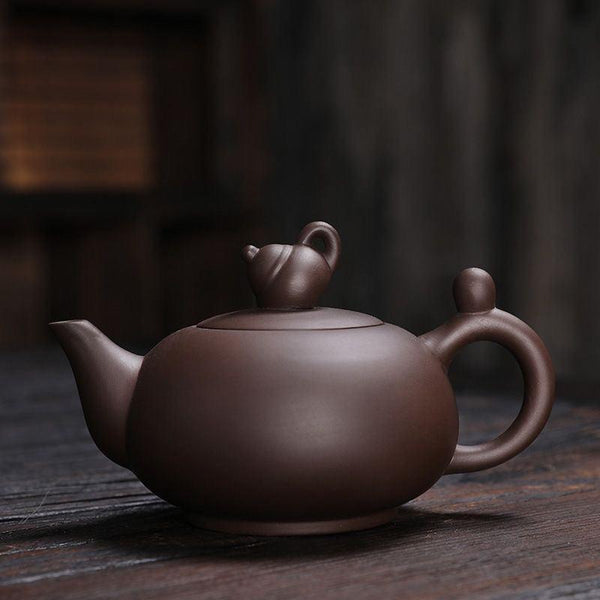
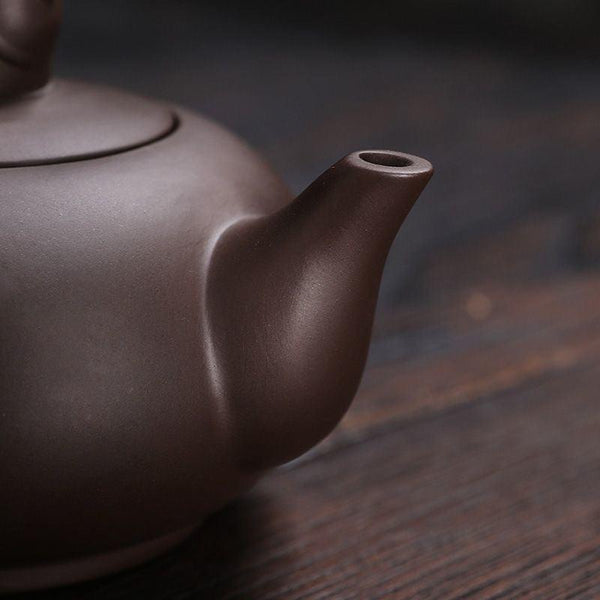
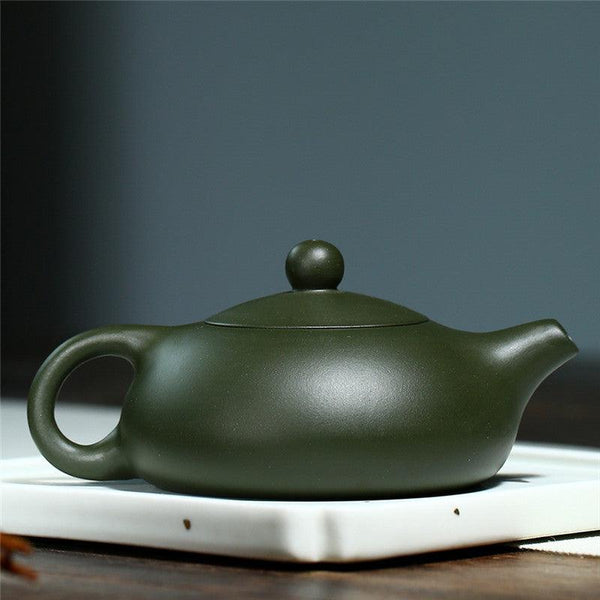
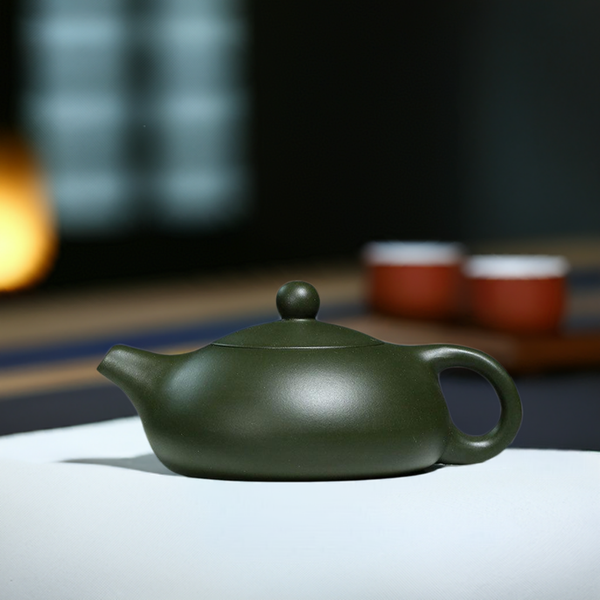
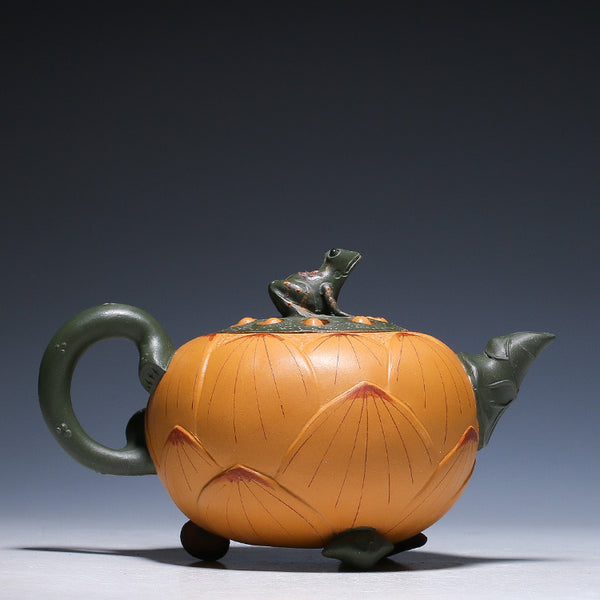
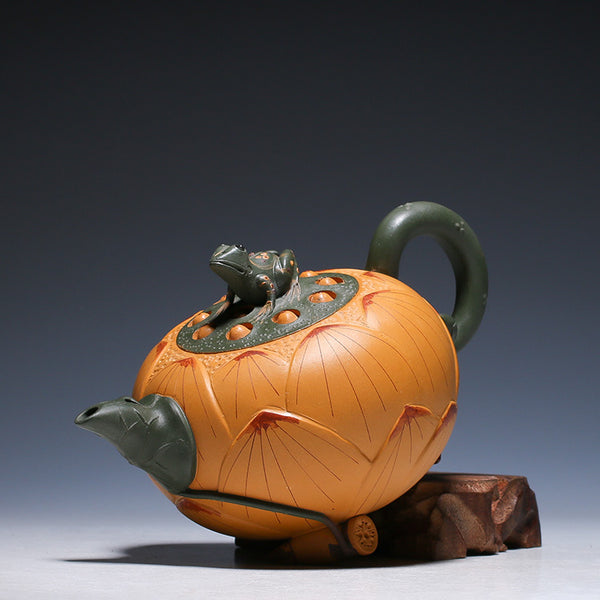
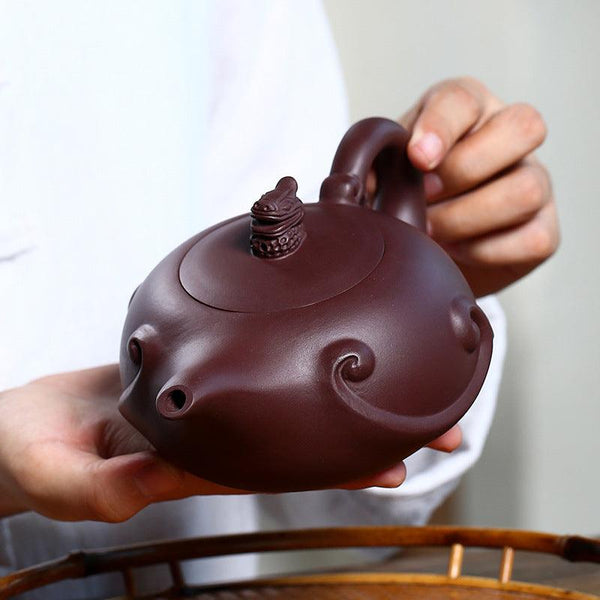
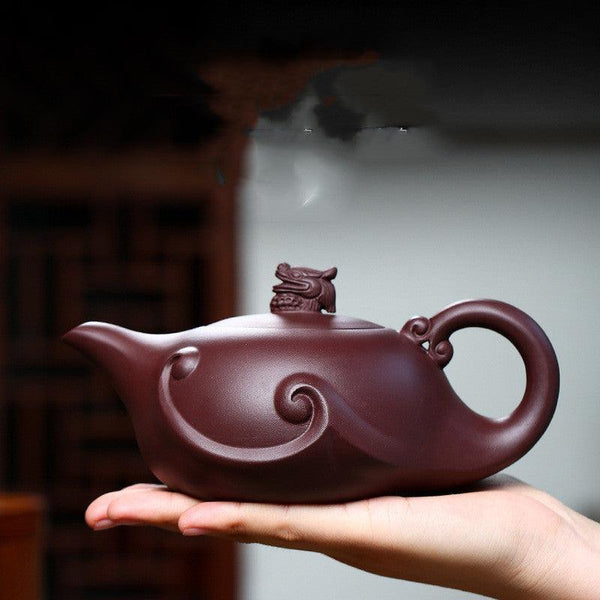
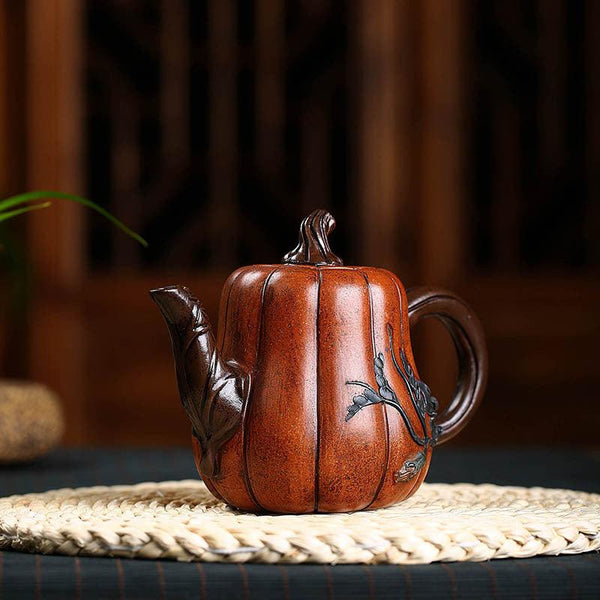
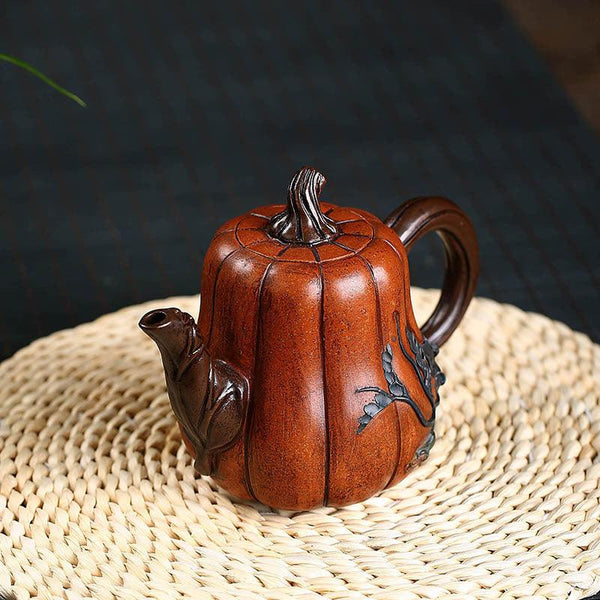
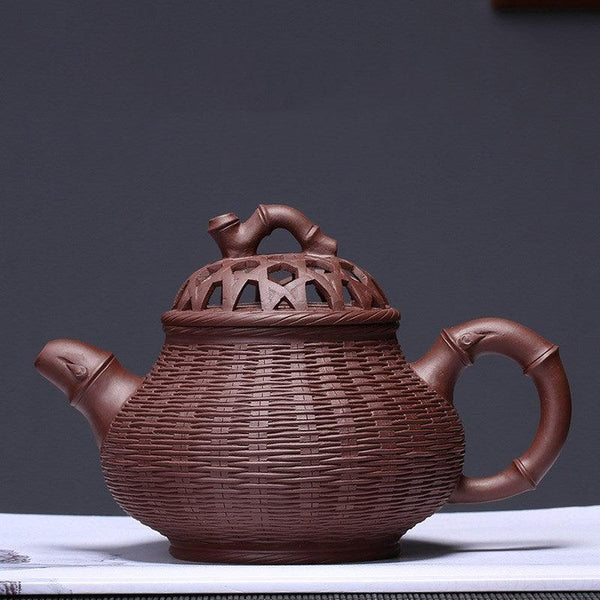
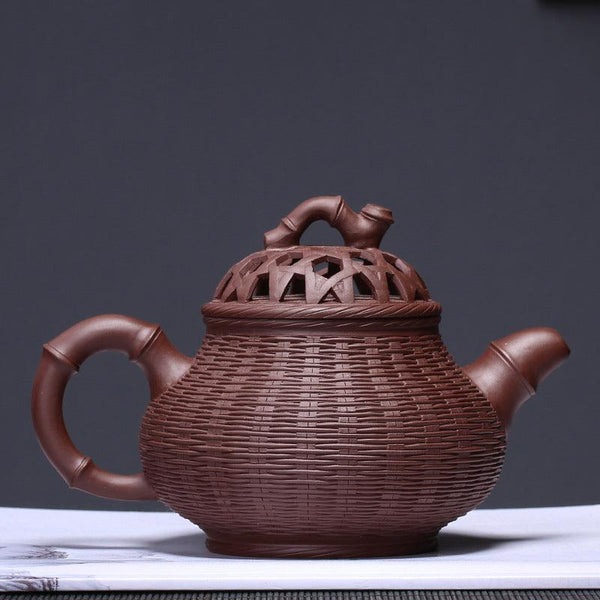
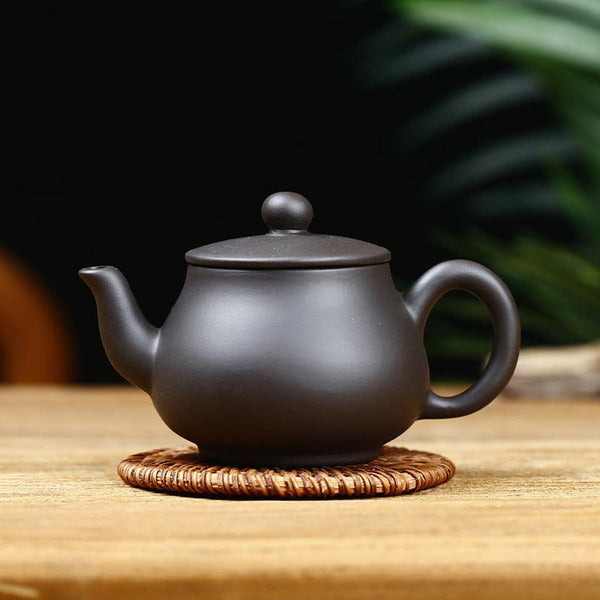
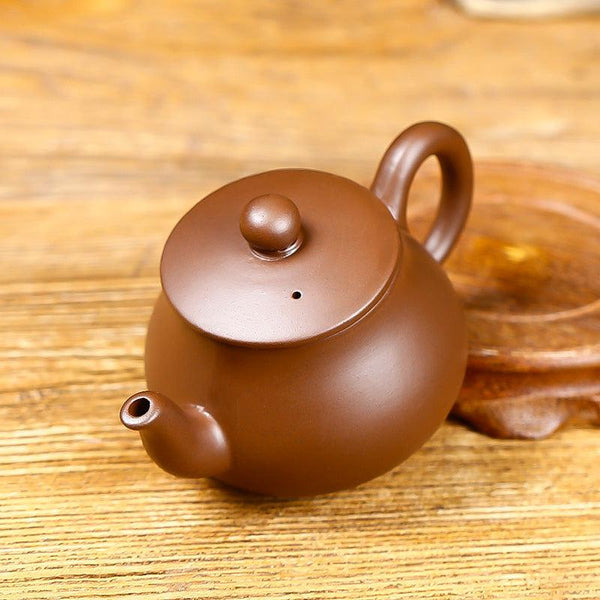
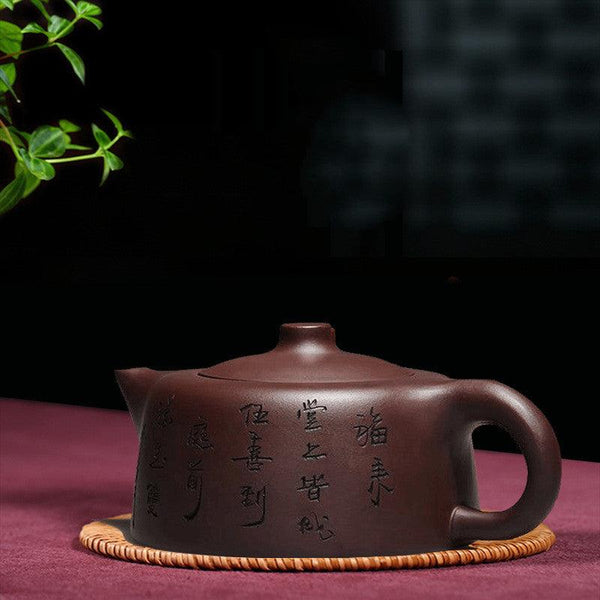
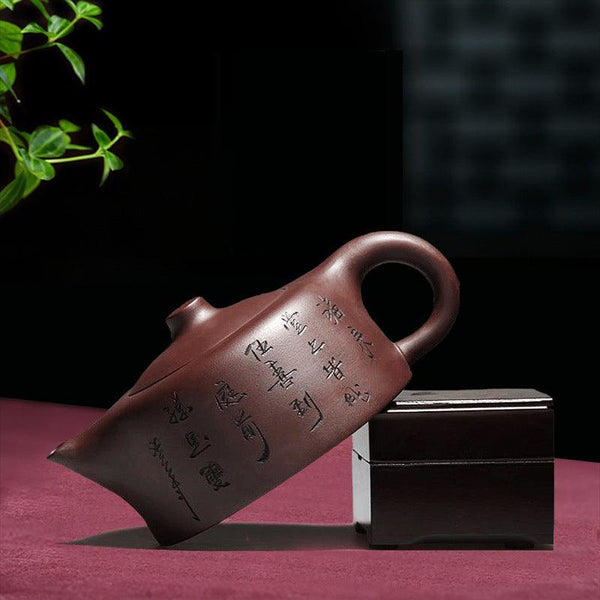
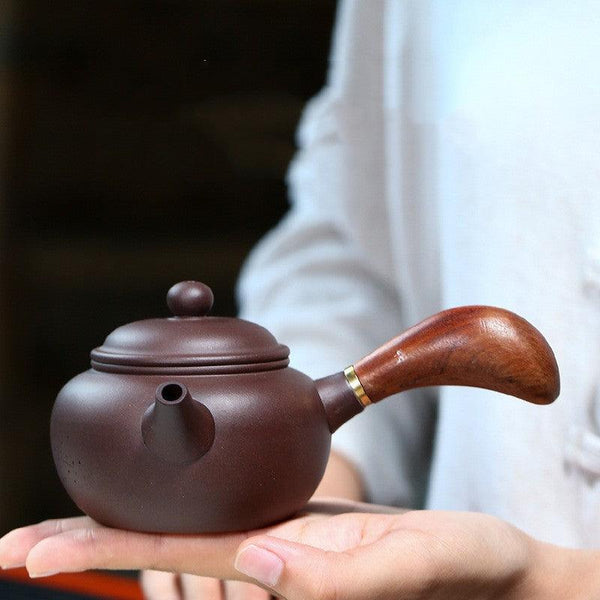
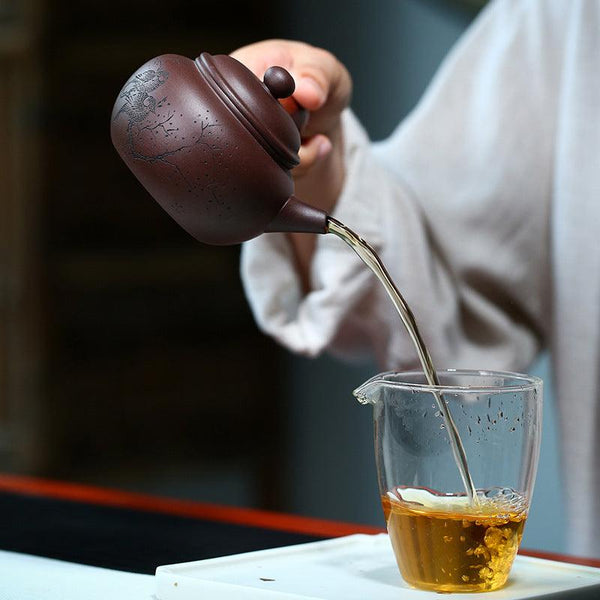
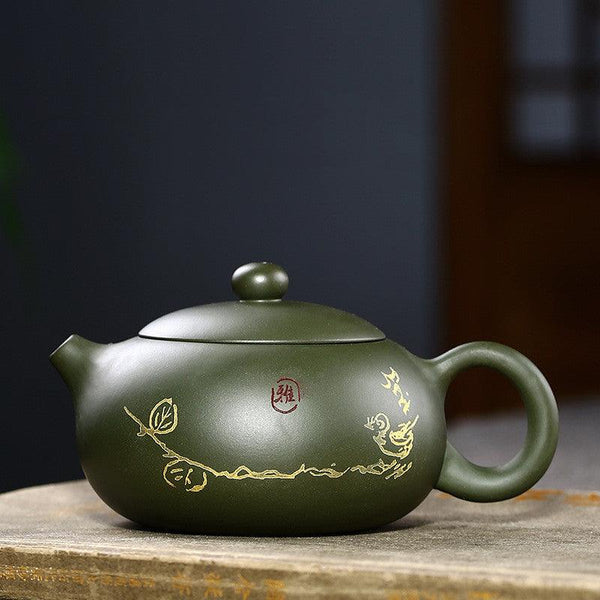
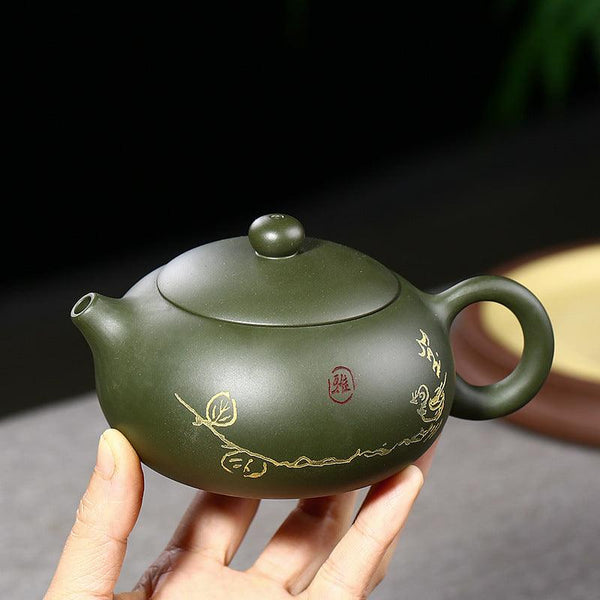
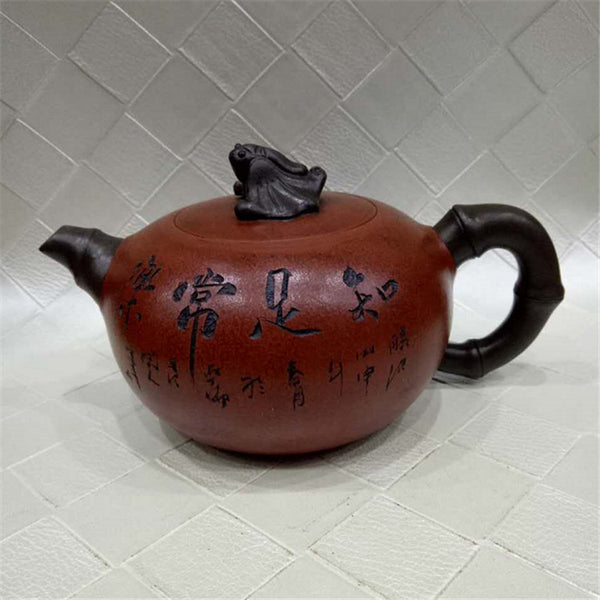
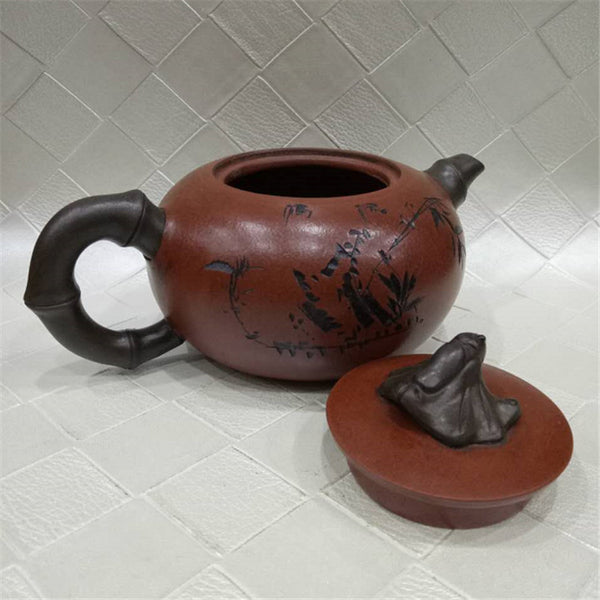
If you have ever held an authentic Yixing Zisha teapot, you might have noticed its unique texture—a matte, understated luster, a slight sandiness to the touch, and a breathtaking natural "breath." To understand why Zisha is so special, we must look beyond the surface and into its mineralogy, specifically the legendary geological nickname: "Rock Within Rock" (Yan Zhong Yan).
What Exactly is "Rock Within Rock"?
Before diving deep, we must define the term. "Rock Within Rock" refers to the premium silty clay siltstone found deep within the tough Jia Ni shale layers of Yixing. It is essentially a "mineral treasure" encased in a hard rocky shell, boasting an incredibly high quartz content.
A 350-Million-Year Geological Legacy
To geologists, Yixing clay is far removed from common garden mud or even fine porcelain kaolin. It is a specialized mineral deposit formed approximately 350 million years ago during the Devonian period. Over eons, dramatic environmental shifts deposited layers of quartz, kaolinite, mica, and hematite in the Yixing region.
Its "Rock Within Rock" status comes from its unique stratigraphic structure. In the famous mines of Huanglongshan (Yellow Dragon Mountain), Zisha does not exist in easy-to-reach fields. Instead, it is found in thin, sporadic veins sandwiched between much thicker layers of ordinary sedimentary rock.
Imagine a massive, miles-wide "stone sandwich." The "bread" is common rock, while the thin, precious sliver of "meat" in the middle is the Zisha ore. Because it is hidden deep within these hard outer shells, miners must break through layers of "heavy rock" to extract the "treasure rock" inside. This extreme scarcity and the labor-intensive mining process are the primary reasons why genuine Yixing teapots carry a premium value.
From Iron-Hard Ore to Silky Tea Clay
One of the most surprising experiences for newcomers is seeing the raw material. In its original state, Zisha is literally a rock.
When first mined, the ore is as hard as brick. It must undergo a process of natural weathering—exposed to sun, rain, and frost for months or even years—before it begins to decompose. This "stony" essence is the core of its mineralogy, consisting of:
-
Quartz: Provides structural integrity so the teapot does not collapse or deform during high-temperature firing.
- Hydromica: Offers the legendary plasticity that allows masters to use the "beating method" to handcraft these vessels without a potter's wheel.
Science of Taste: Why Your Tea Becomes Mellow
The most scientific reason for the "Rock Within Rock" reputation lies in the fired structure of the clay. Because it is a hybrid of sandy particles and clay minerals, it creates a unique phenomenon known as "Double Porosity."
When fired at temperatures exceeding 1100°C, the minerals react at different rates, resulting in two types of microscopic pores:
-
Closed Pores: These act like tiny air bubbles, providing superior thermal insulation that keeps your tea at the optimal temperature for longer.
- Open Pores: These are microscopic channels that allow the teapot to "breathe." They are fine enough to prevent leaking, yet large enough to allow oxygen to enter and tea oils to be absorbed into the walls.
This is the secret behind "seasoning" a teapot. The "Rock Within Rock" structure acts like a micro-sponge, slowly absorbing the essence of the tea. Over time, these flavors are released back into the brew, making the tea taste smoother, richer, and more rounded.
"Five-Colored Earth": Natural Hues of the Mine
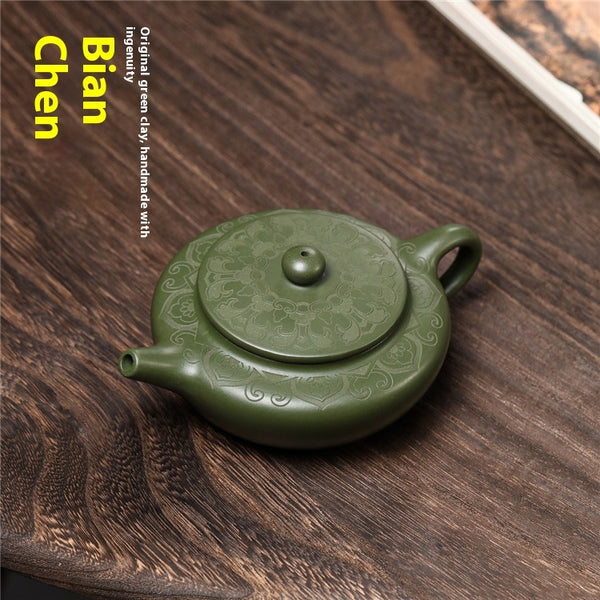
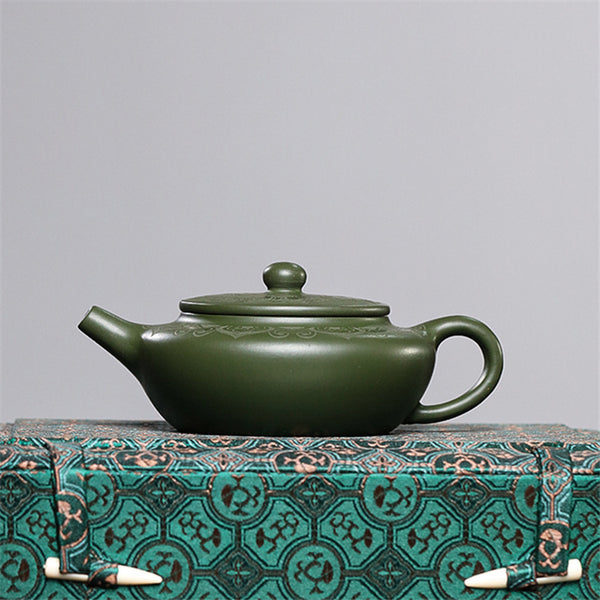
Zisha is often called the "Five-Colored Earth" (Wu Se Tu). Its natural palette—ranging from deep liver-purple (Zini) to vibrant vermillion (Zhuni) and elegant beige (Duanni)—is the result of natural metal oxides locked within the rock.
- Iron Oxide creates warm reds and purples.
- Titanium and Manganese produce deeper, somber tones.
Unlike cheap, chemically-dyed imitations, the colors of an authentic Zisha teapot are permanent and develop a "jade-like" patina over the years of use.
Conclusion
Understanding the mineralogy of Yixing clay deepens your appreciation for every sip of tea. A Zisha teapot is not just a vessel; it is a piece of 350-million-year-old geology, refined by human hands. It is a hidden treasure of the earth—the "Rock Within Rock"—that bridges the gap between nature and the art of tea.