In the world of teaware, Zini (Purple Clay) is the undisputed king. It is versatile. It is reliable. It is classic. However, as you dive deeper, you will hear the term "Lao Zini" (Old Purple Clay). It often has a high price. It has a prestigious aura. Many ads claim it is better than "Standard" Zini.
Lao Zini is a great material. But you must look past the marketing. Maturation isn't about the most expensive pot. It is about finding the right tool for your tea.

Defining "Old" vs. "Reliable"
What makes Zini "old"? In the industry, "Lao" usually means two things:
The Mineral Source: This is clay from famous, deep layers like Di Cao Qing. These ores have complex minerals. They have a high density of sand particles.
The Ageing Process: These are clay blocks stored in a humid environment. They sit for 5 to 10 years. This lets organic matter ferment. It makes the clay sticky. It reduces physical stress.
Standard Zini is the unsung hero of Yixing. It is usually aged for 1 to 2 years. This clay represents the mineral in its most vibrant state. Here are its strengths:
Structural Stability: It is very reliable in the high heat of the kiln. It resists cracking during the cooling phase.
Precision: This stability allows for the tightest lid-fits. The seal is often superior to older, less predictable clays.
Clean Lines: It allows for precise, sharp geometric shapes. Artists love it for architectural teapot designs.
Raw Texture: Some aged clays lose their "crisp" feel. Standard Zini keeps that raw, energetic texture.
Consistency: It is a solid, predictable choice for any collector. It provides a baseline for understanding purple clay.
Visuals and Touch: "Jade" vs. "Sand"
The difference is like comparing a gemstone to a raw rock:
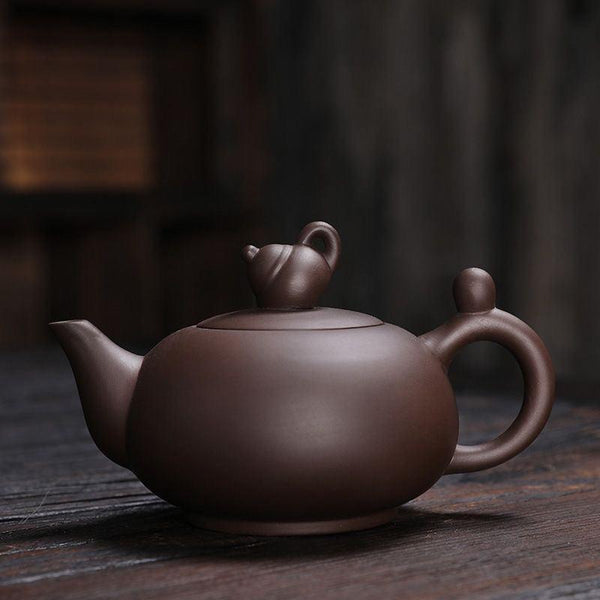
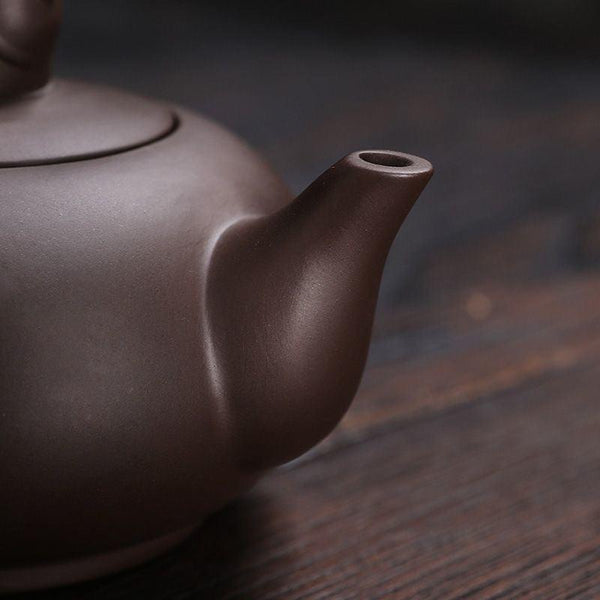
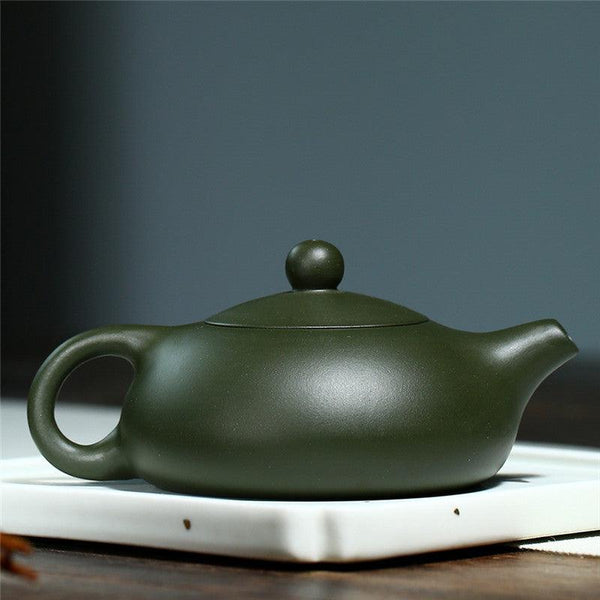
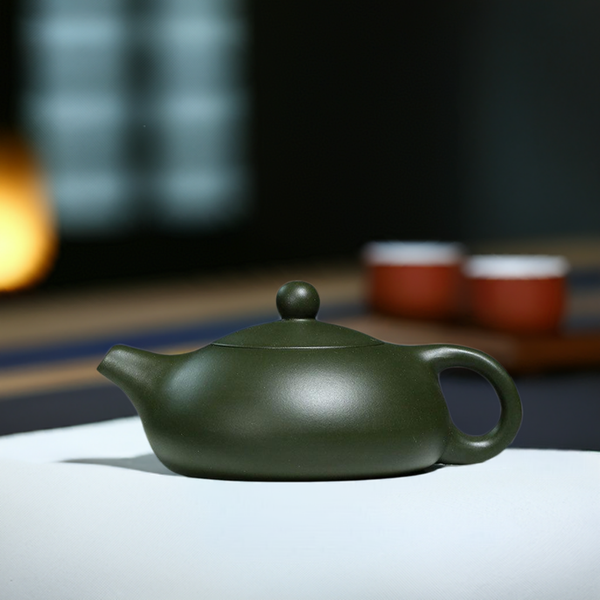
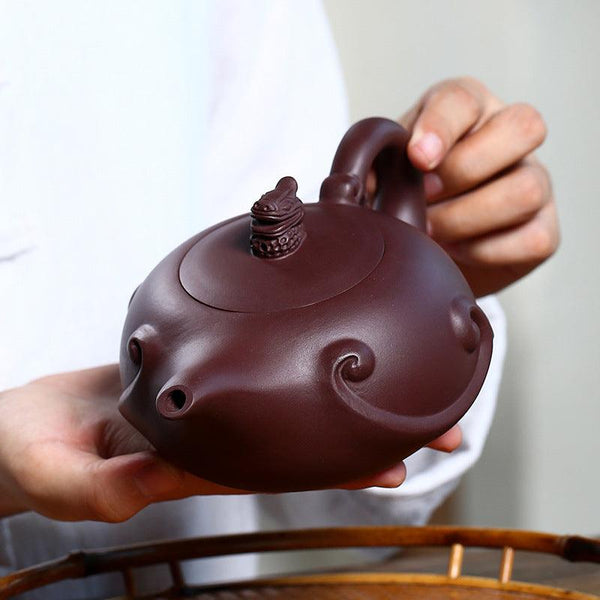
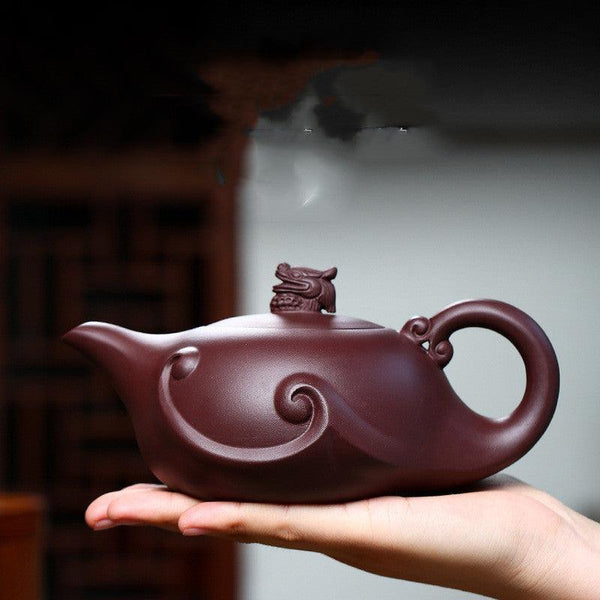
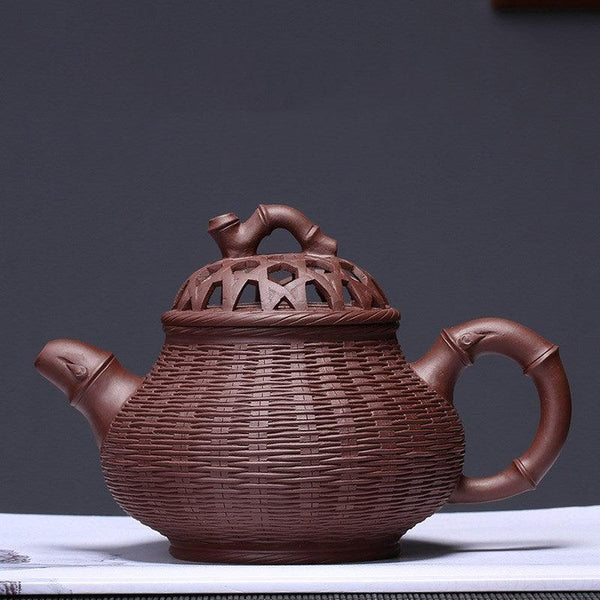
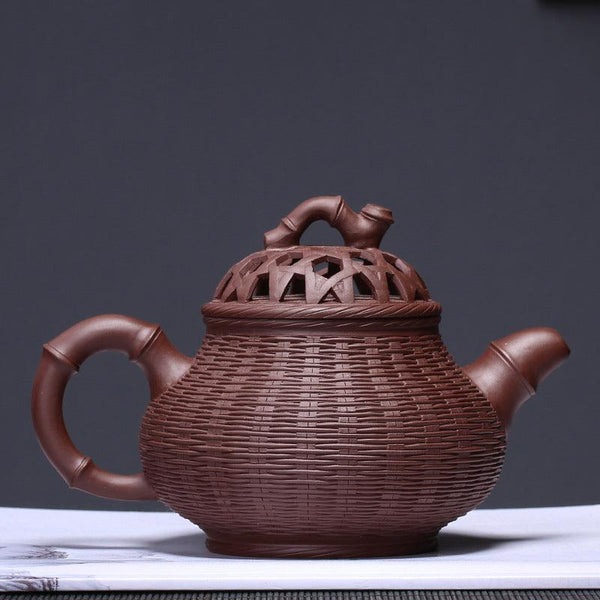
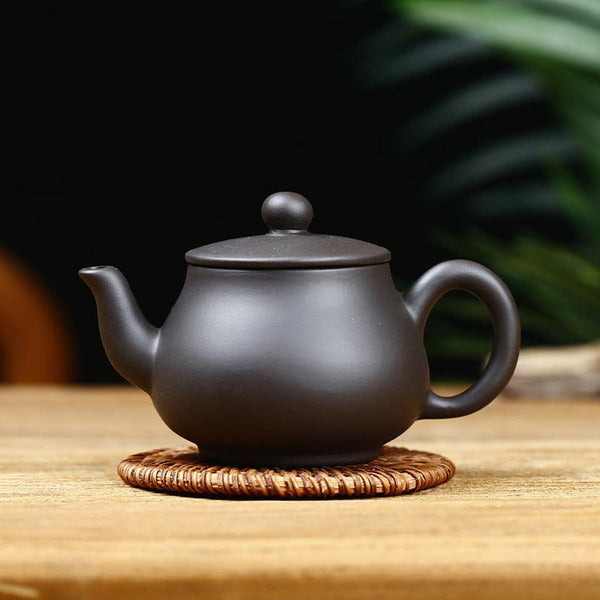
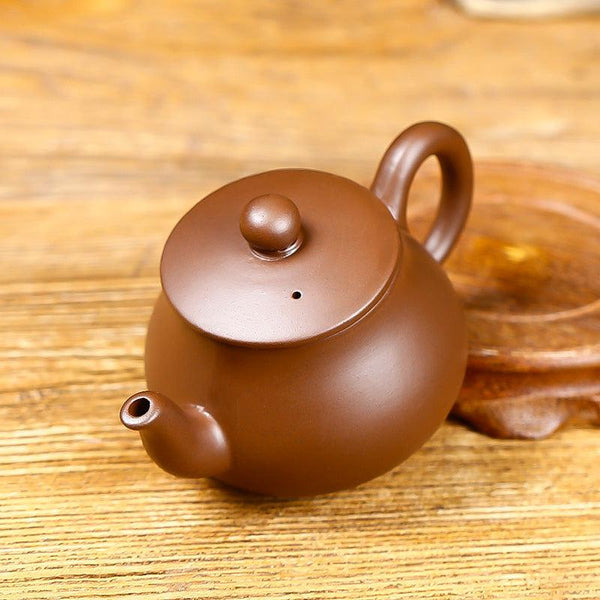
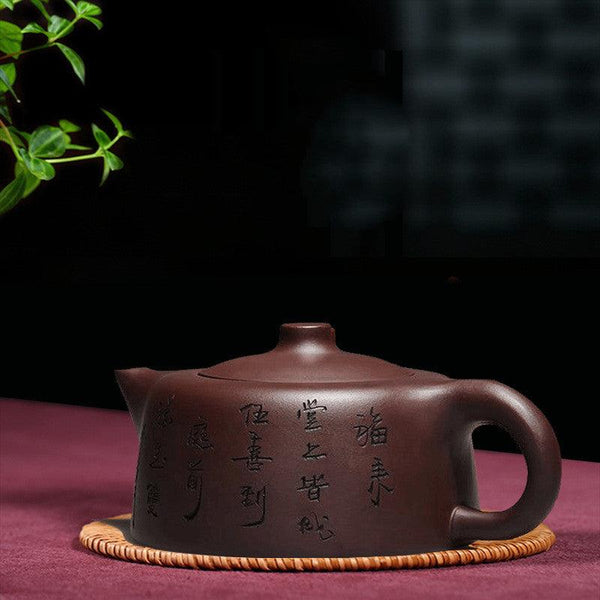
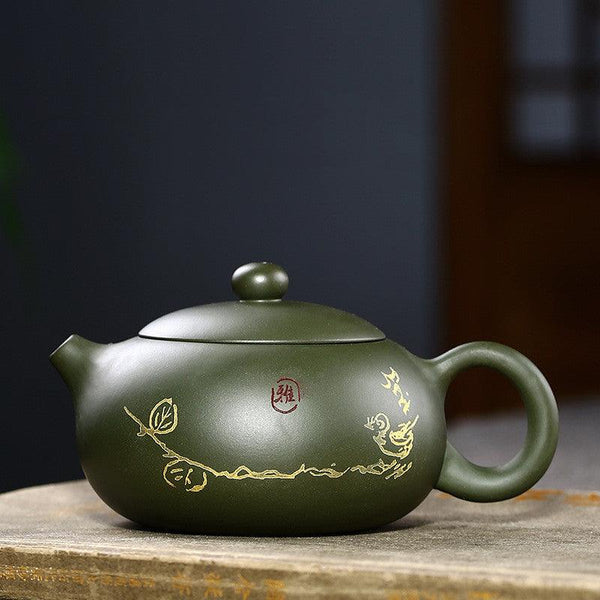
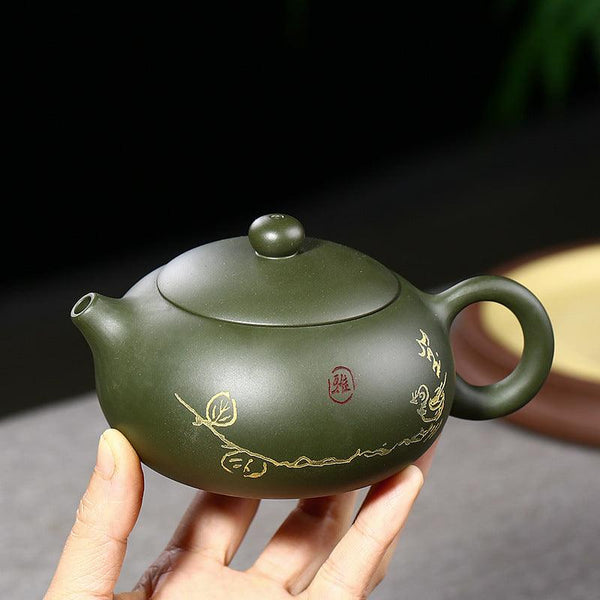
Standard Zini: It has a brighter purple-brown color. It feels sandy. It feels full of "fresh" energy. You can see the distinct grain of the minerals. It is the mountain’s gift in an honest form. The surface reflects light in a clean, sharp way.
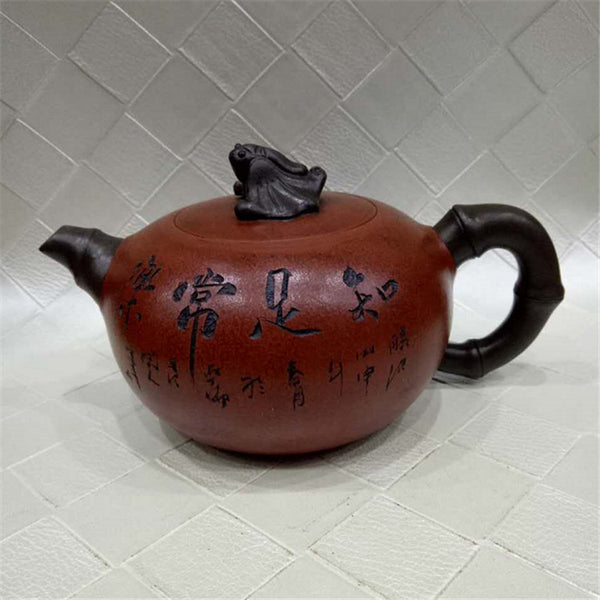
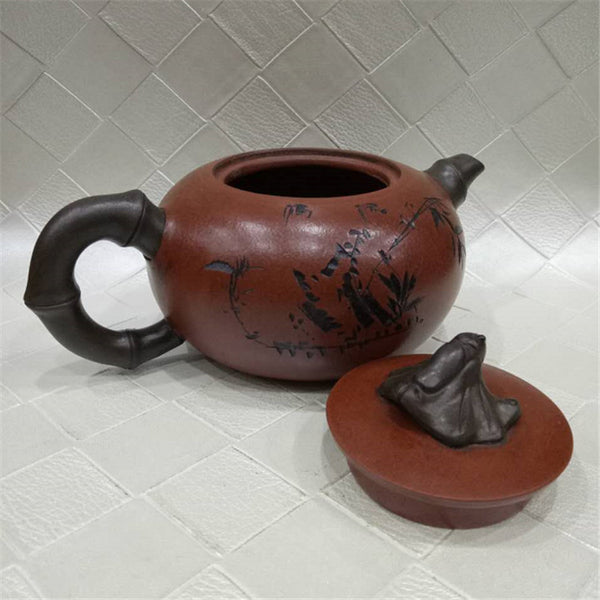
Lao Zini: It has a deeper, introverted colour. It is often called " rich liver-purple." It feels moist and jade-like. It has a "quiet" look. It appeals to those who love an antique aesthetic. The color appears to glow from within the clay.
Performance: Which Brews Better Tea?
Both clays have a "Double Porosity" structure. This lets the pot breathe. But the clay's age changes the brew:
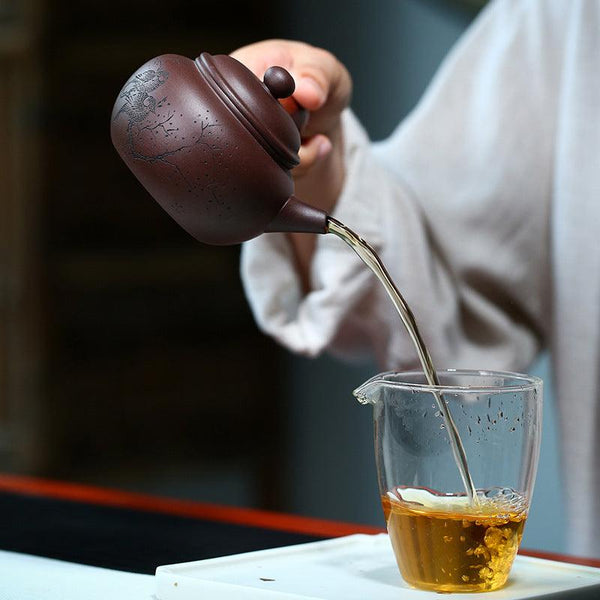
Standard Zini (The Transparent All-Rounder): This is a great teaching tool. The pores are fresh and active. It reflects the tea's flavour like a mirror. It does not hide flaws. This helps you master the nuances of Puerh or Oolongs. It is widely considered the best "all-purpose" clay for daily use.
Lao Zini (The Refined Specialist): Its mature structure is a master at "filtering." It excels at smoothing out sharp edges. It can refine "off-notes" from poor storage. It brings out a mellow, rounded sweetness. It is perfect for reviving the soul of a dusty, vintage tea.
Professional Advice: Suitability Over Obsession
Lao Zini is a premium material. But here is a secret: it is a choice, not a requirement. You don't need old clay to be a "true" expert. Many master potters actually prefer Standard Zini. Its predictable shrinkage allows for complex, creative shapes. Lao Zini can struggle to hold these shapes during firing.
Standard Zini helps beginners learn tea quality. It provides an unfiltered experience. Lao Zini gives veterans a new dimension to explore. It offers a softer, more seasoned profile. The "best" clay isn't the most expensive. It is the one that fits your brewing habits. It should complement your favorite tea leaves.

The "Yanghu" Journey: Joy in the Process
Lao Zini glows quickly. It is naturally oily. It gives the collector instant results. Within weeks, it develops a soft lustre. But seasoning a Standard Zini pot is a Zen-like journey. You watch a "young" material slowly mature. You care for it over the years. This creates a deep emotional connection. The transformation from raw sand to a polished gem is a profound experience. The journey is as rewarding as the result.
Conclusion
Lao Zini is a complex wine. Standard Zini is a vibrant harvest. Do not let "age" become an obsession. A teapot is a bridge, not a trophy. The best clay isn't the oldest. It is the one that breathes with your tea. It is the one that feels right in your hand.