Introduction:
Chinese tea culture dates back over 4,700 years. It flourished during the Tang Dynasty, reached its zenith in the Song Dynasty, and eventually spread across the globe—giving rise to distinct traditions like the Japanese tea ceremony and British afternoon tea. In China, brewing tea is a "meditative art of time" centred on precision control. A tiny variance in water temperature, pour strength, or steeping time will completely alter the fate of the brew.
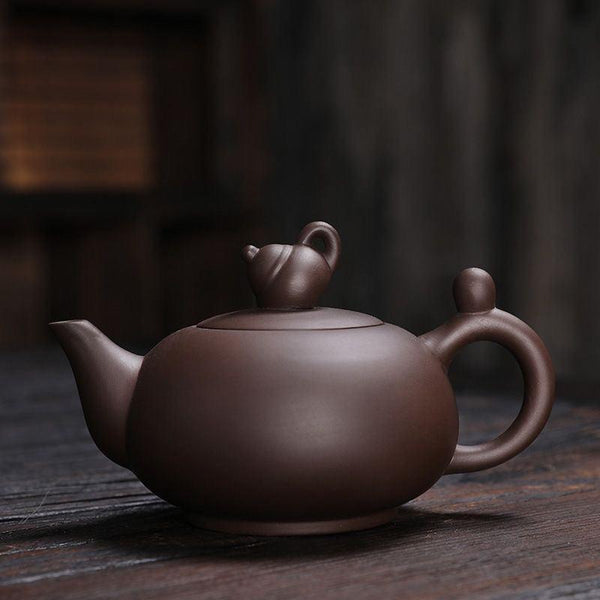
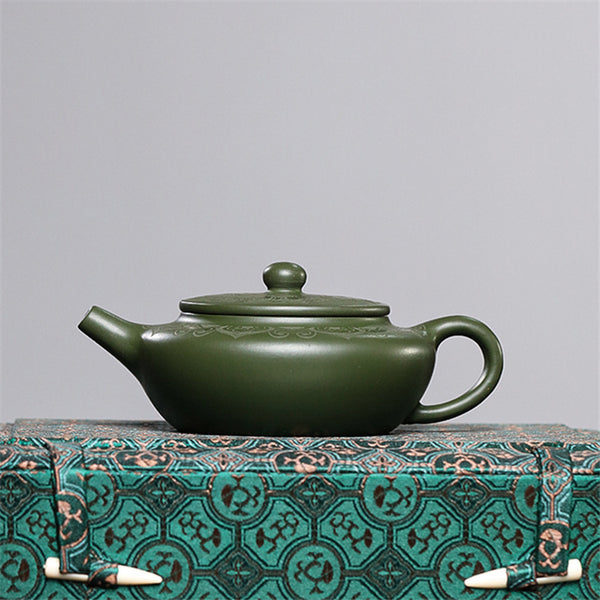
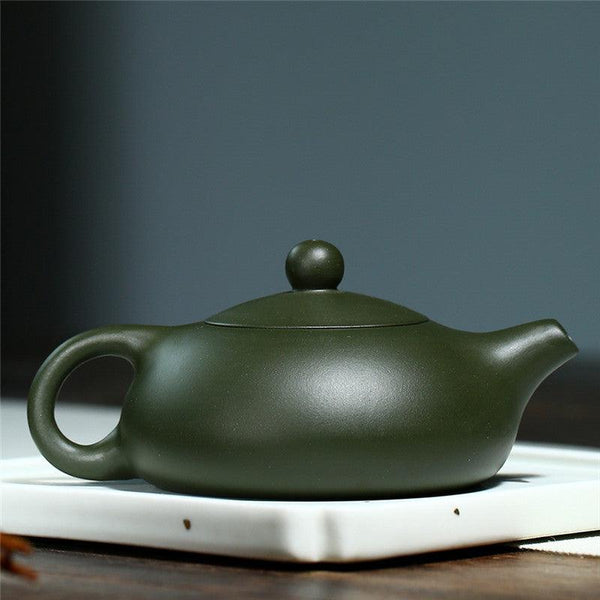
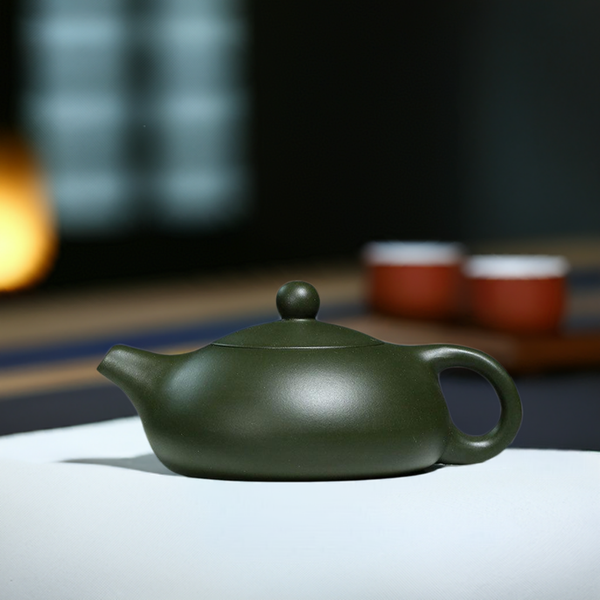
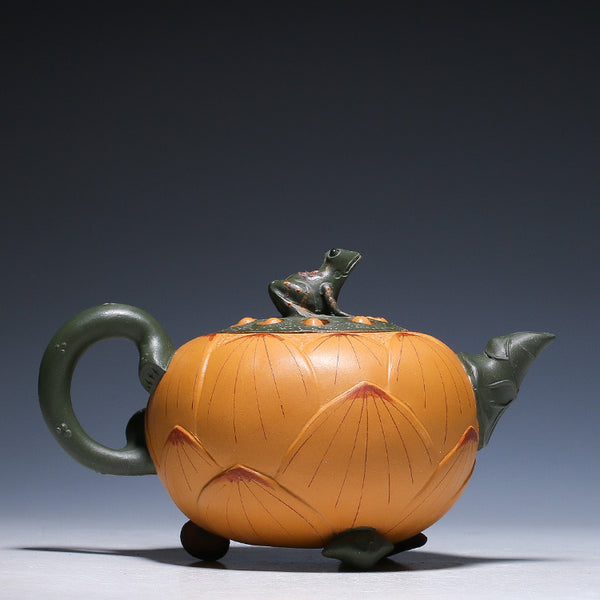
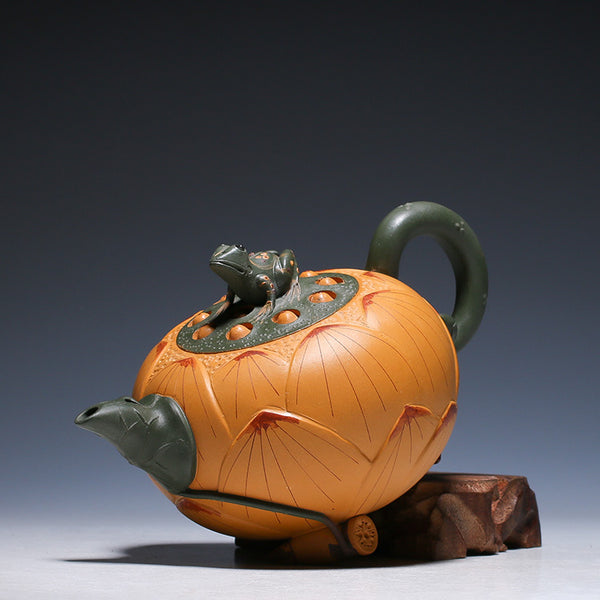
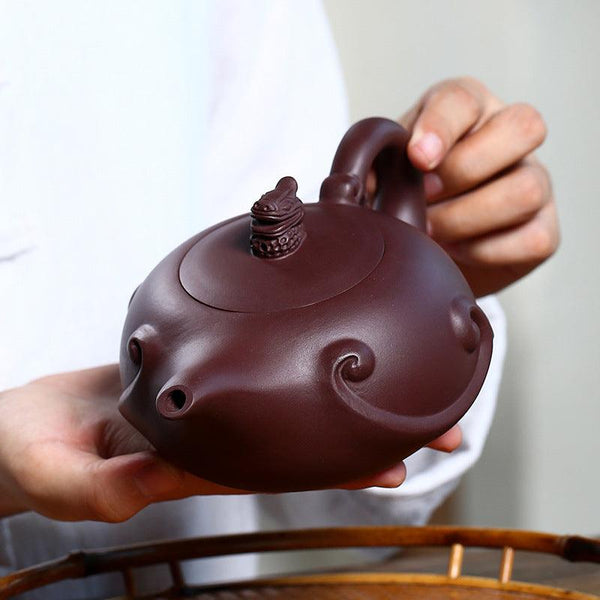
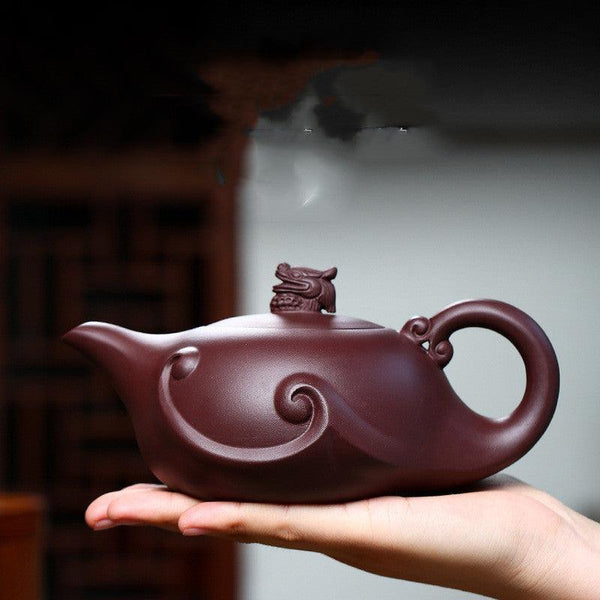
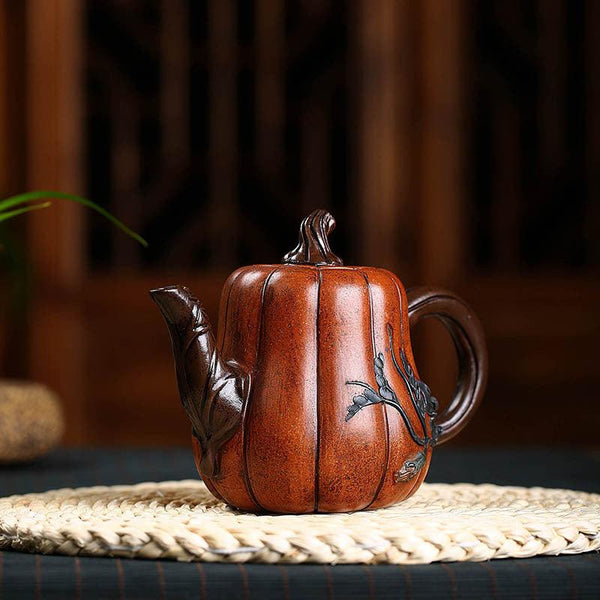
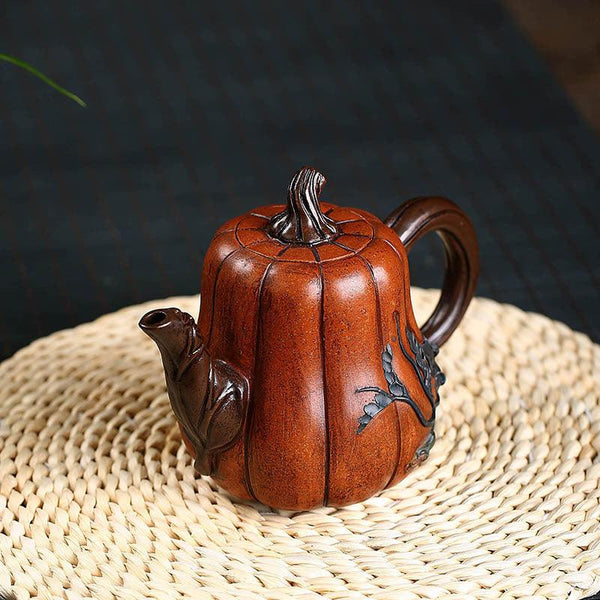
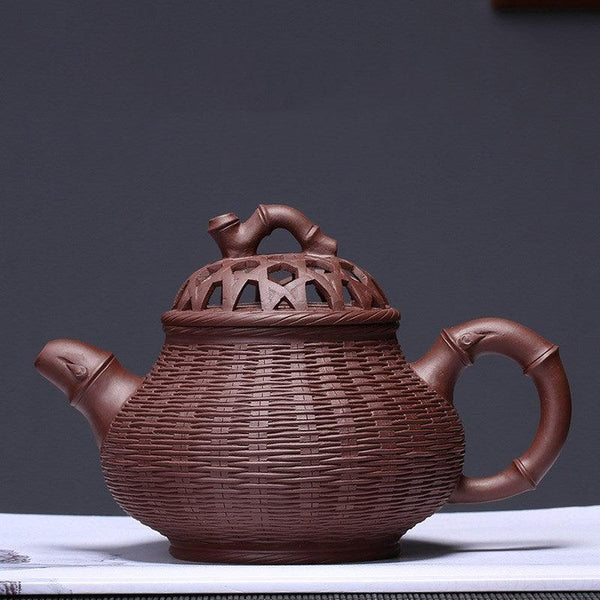
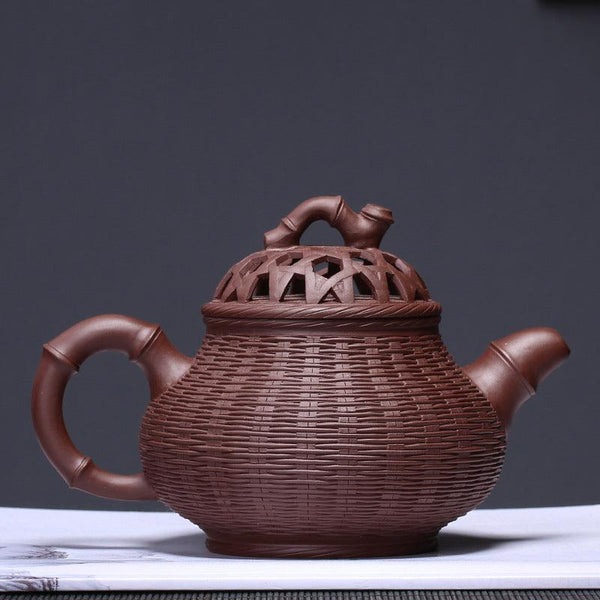
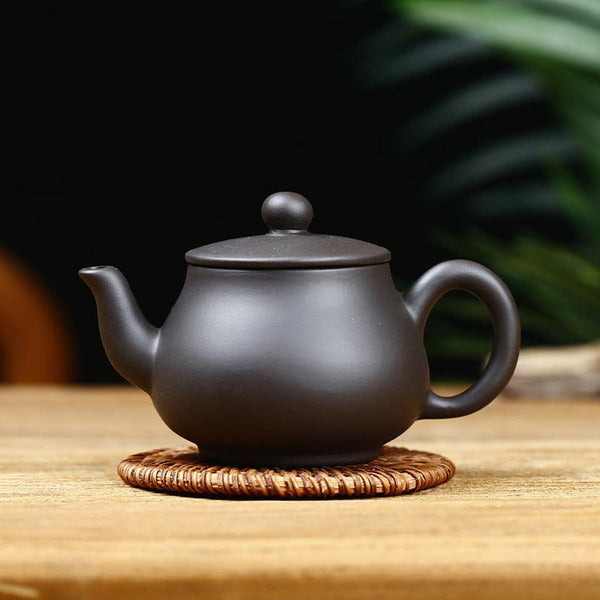
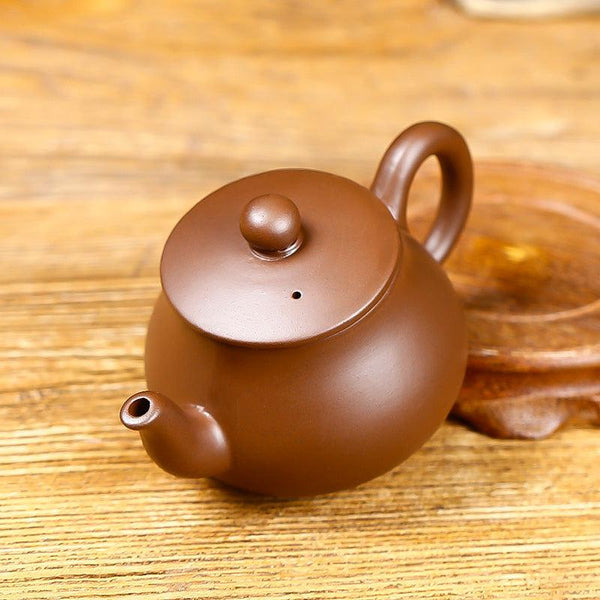
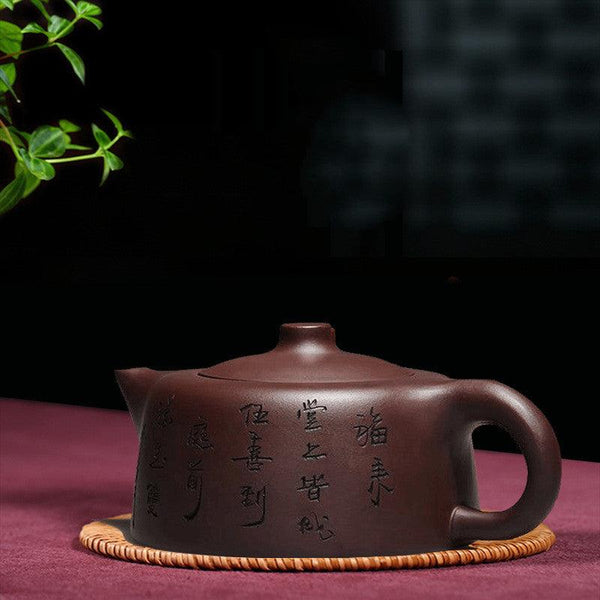
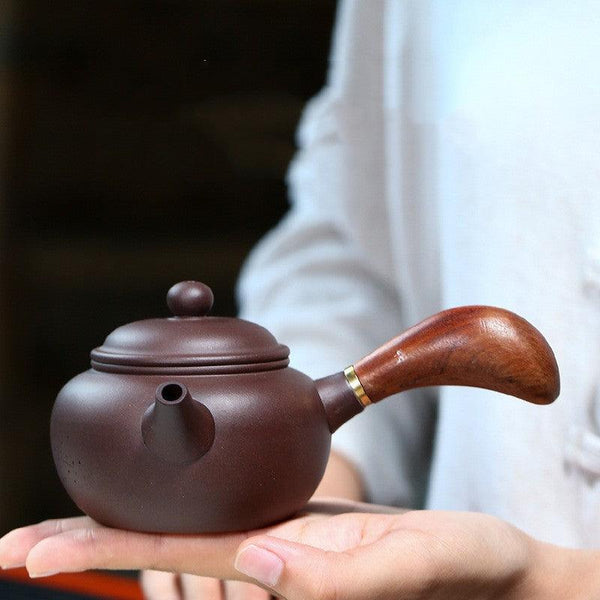
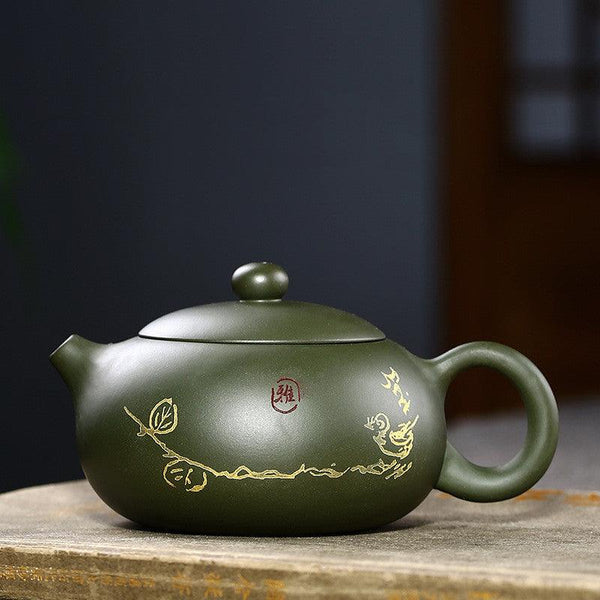
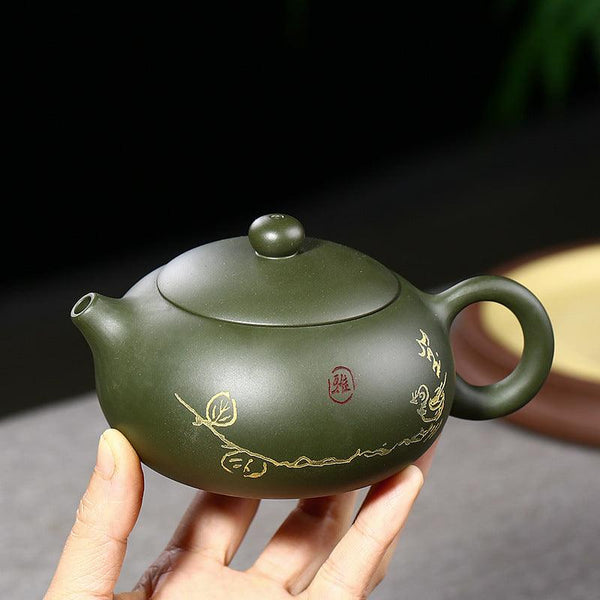
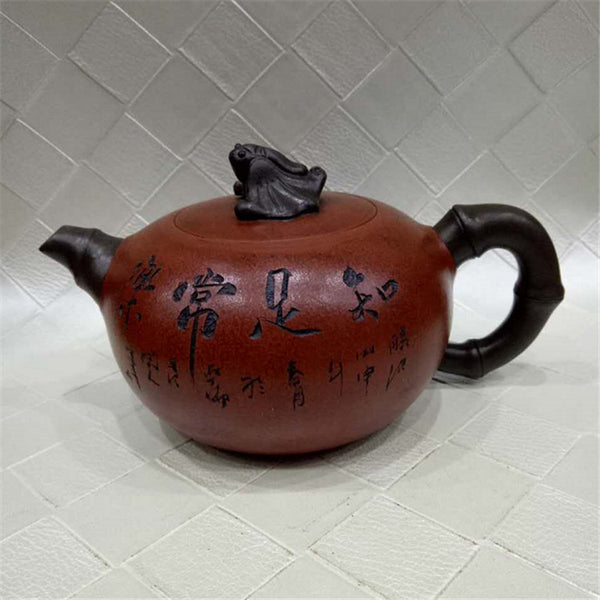
In pursuit of the ultimate flavour, Chinese tea lovers have experimented with celadon, Jian ware, and porcelain over the millennia. Yet, no matter how eras change, a modest, unpretentious Yixing Zisha (purple clay) teapot remains the steadfast centrepiece of any serious enthusiast's tea table. To Chinese connoisseurs, a Zisha teapot is not an inert vessel for holding water. It is a living "flavour tuner."
The Supreme Status of Zisha Teapots in Chinese Tea Art
(1) The Technical Crown: King of Tea Ware
Within the realm of Chinese tea art, the Zisha teapot is universally crowned the "King of Tea Ware." Its dominance stems primarily from its unparalleled functionality. The core secret of Chinese Gongfu tea lies in using high-temperature boiling water, rapid infusions, and continuous brewing. The physical architecture of a Zisha teapot is tailor-made for this demanding technique:
Exceptional "Thermal Inertia": The walls of a Zisha teapot contain numerous closed-cell pores that act as a natural layer of thermal insulation. When continuously brewing aged Pu-erh or heavy Rock Oolong, the pot effectively locks in the heat of the boiling water. Even after a dozen infusions, the tea leaves inside remain at an optimal, high-temperature state, fully extracting the deep, aged aromas and rich compounds.
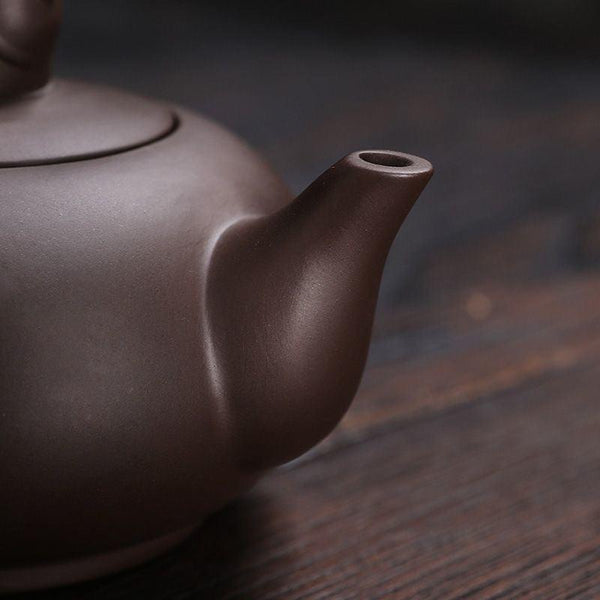
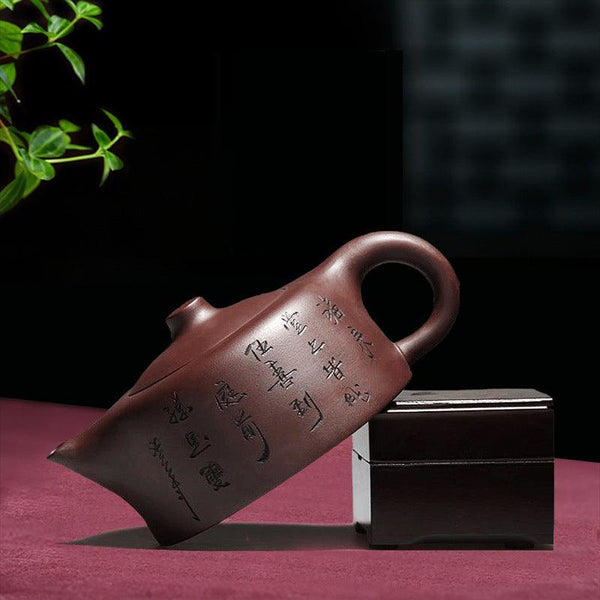
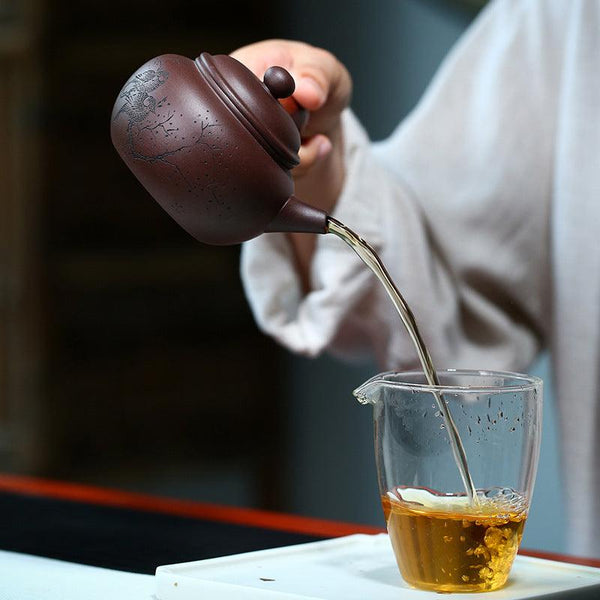
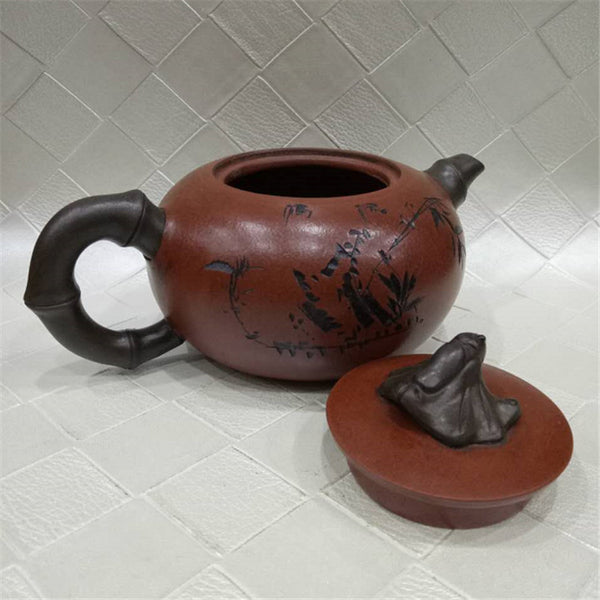
Precision Craftsmanship and "Micro-Positive Pressure": A high-quality Zisha teapot features a lid-to-rim fit with micron-level precision. This tight seal locks in the tea's precious volatile aromatic oils. It also generates a unique physical air-pressure effect during pouring. This "micro-positive pressure" enables a high-speed pour rate and a clean, sharp cutoff. It gives the tea master absolute control, preventing delicate leaves from becoming "stewed" or over-steeped.
(2) Literati Spirit and the Philosophy of "Seasoning the Pot"
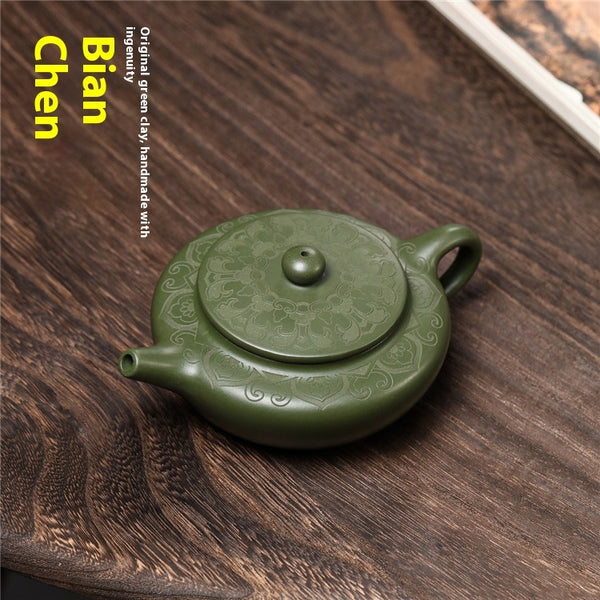
Beyond raw physics, the Zisha teapot carries the deep spiritual aspirations of Chinese scholars for centuries. Traditional Chinese culture reveres an understated aesthetic where "great skill appears clumsy." The teapot’s raw clay—unadorned and free of colourful glazes—perfectly aligns with this pursuit of sincerity, naturalness, and restraint.
More importantly, the Zisha teapot is the ultimate medium for expressing companionship and the value of time. This is the captivating philosophy of Yanghu—the art of "seasoning the pot."
Porcelain and glassware hit their peak the day you buy them; thereafter, use leads only to gradual wear and depreciation. The Zisha teapot follows the opposite trajectory. A brand-new teapot fresh from the kiln is like a raw, young soul in a state of "thirst." As you bathe it daily in tea liquor, nourish it with boiling water, and polish it with a soft cloth, the essential oils from the leaves slowly permeate the microscopic channels within the clay walls.
Over time, the pot’s surface develops a magical lustre—a patina. To a tea lover, this patina is not grime; it is a badge of honour. It chronicles hundreds of quiet, contemplative afternoons. The teapot ceases to be a mere commodity and becomes a cherished companion that grows old alongside you.
How Zisha Enhances Tea Flavour
Why does tea brewed in a Zisha teapot actually taste better? This is not a psychological trick; it is genuine microscopic physics.
At a microscopic level, Yixing Zisha ore is not a uniform, inert mass. It is composed of countless tiny mineral "aggregates" stacked together. After being fired at high temperatures exceeding 1,000°C, this structure develops a rare "Double Porosity"
characteristic:
Closed pores within the aggregates: These act like tiny airbags, insulating the vessel and preventing heat loss.
Open pores between the aggregates: These form a network of intricate "micro-tunnels" connecting the interior of the pot to the outside world.
Tea leaves inevitably acquire certain imperfect, off-putting notes during long-term storage or processing. For instance, aged Pu-erh may carry a dusty, musty warehouse odour, while freshly roasted Rock Tea possesses a harsh, scalding "fireiness."
When boiling water enters a Zisha teapot, its open micro-tunnels function like a high-precision physical filter. They selectively adsorb larger molecules—such as the bitter, astringent tannins—as well as various dull, unpleasant odours. It is like hitting the "noise cancellation" button on a chaotic piece of music. It clips out the harsh, jarring noise in the liquor, allowing the tea's essence—its sweetness, smoothness, and purity—to shine through.
Furthermore, because these open pores have an exceptional aromatic memory, Chinese tea lovers treat the "one pot, one tea" (dedicated vessel) rule as an absolute principle. Over time, the pores become saturated with a specific tea's essence. Eventually, a remarkable physical phenomenon emerges: even if you pour plain hot water into an empty, well-seasoned pot, the water will yield a subtle, elegant, and ethereal tea aroma. The teapot effectively becomes an extension of the tea itself.

A Tale of Two Mindsets: Eastern vs. Western Perspectives
As Zisha teapots have gone global, differing cultural mindsets have created two opposed—yet equally fascinating—attitudes toward this "extraordinary clay."
The Western Perspective: Metrics, Blueprints, and Neutrality
Western culture is deeply influenced by modern industrial civilisation and rational science. When Western enthusiasts encounter a Yixing Zisha teapot, they tend to analyse it much like a precision instrument: They measure the pot's exact capacity (down to the millilitre), calculate the chemical composition of the clay, analyse the water absorption rate, and clock the precise pour time. They use infrared thermometers to record heat-loss curves, attempting to calculate the optimal thermal conductivity for a specific Oolong.
In Western culinary tradition, glass and stainless steel are the ideal materials for vessels because they provide passive neutrality. Their physical properties are extremely stable, ensuring they remain completely inert and do not engage with the food. Consequently, when faced with a Zisha teapot—a vessel that actively absorbs flavours and changes colour over time—Westerners often feel puzzled or anxious. It challenges their ingrained belief that a tool should remain completely objective.
The Chinese Perspective: Flowing Philosophy and Active Engagement
In contrast, the Chinese attitude is rooted in the traditional Eastern philosophies of the "unity of humanity and nature" and wabi-sabi. Chinese tea lovers do not view the teapot as a cold, static tool; they treat it as a living entity.
We value engagement over sterile purity. We do not mind—in fact, we desire—the way a Zisha teapot alters the tea liquor. We rely on its porous structure to round out the bitterness and impart a richer, fuller body to the brew. Glass is perfect, yet often dull. Zisha teapots are imperfect and porous; it is precisely these pores that allow time to leave its mark. Nurturing a pot is a process of mutual shaping between person and vessel. The way you treat your pot is eventually written directly into its skin (patina) and the flavour of your brew.
Conclusion:
Returning to the initial question: why do Chinese tea enthusiasts hold Yixing Zisha (purple clay) teapots in such high regard?
The answer is self-evident. Among all tea vessels, only the Zisha teapot achieves a true unity of form and function. On a microscopic physical level, it acts as a near-perfect "flavour tuner," utilising its dual-pore structure to precisely tame the bitterness of the brew while retaining the heat essential for Gongfu tea. Yet, on a spiritual level, it also fulfils every aspiration for a slower pace of life, for companionship, and for the warmth inherent in handcrafted artistry. profound: you are not merely seasoning a clay teapot; you are nurturing your own heart, allowing it to find stillness amidst the clamour of the world.